How Much Does a Commercial Fish Scale Remover Cost?
The fish scale remover cost for commercial-grade equipment typically ranges from $1,200 to $4,500, depending on drum capacity, construction material, motor power, and automation level. Entry-level benchtop units suitable for small fish markets and restaurants generally fall between $1,200 and $1,800, while mid-capacity stainless steel machines designed for processing plants range from $1,800 to $2,800. Large industrial-scale systems with automated feeding and discharge mechanisms can exceed $3,500.
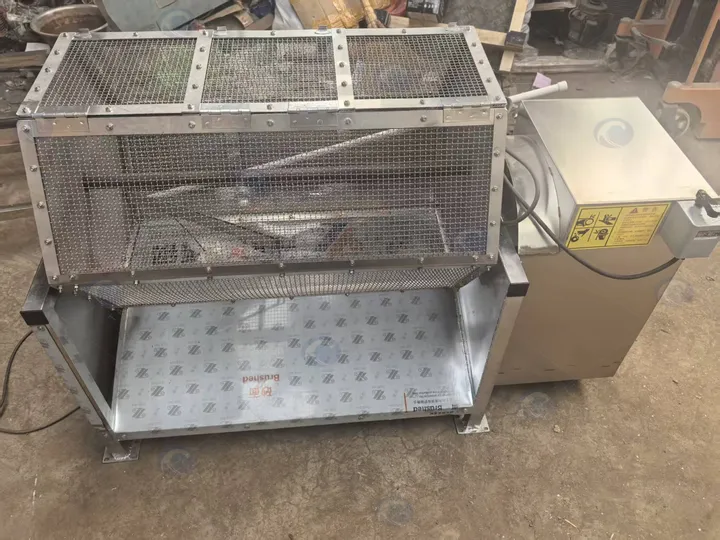
Several variables beyond the base machine price affect the total investment. Voltage configuration (220V single-phase vs 380V three-phase), drum capacity (from 30 kg to 200+ kg per batch), blade material quality, and certification standards (CE, ISO, SGS) all contribute to the final fish scaler price you will pay. Additionally, import duties, shipping fees from China, and optional accessories like custom mesh drums or conveyor systems can add $300 to $800 to your landed cost.
Understanding these cost drivers helps seafood processors budget accurately and avoid under-specifying equipment that cannot handle production volumes. This guide breaks down what you should expect to pay at each tier and which features justify the additional expense.

What Drives Commercial Fish Descaler Cost?
Drum Capacity and Throughput
Batch capacity is the primary pricing factor. A 30-50 kg drum machine processing 300-500 kg per hour commands a lower automatic fish scaling machine price than a 150 kg industrial unit handling 1,500+ kg hourly. Match capacity to your daily volume rather than buying oversized equipment.
Construction Material
Machines built with full 304 food-grade stainless steel cost 20-30% more than units with carbon steel frames and partial stainless contact surfaces. For seafood operations where saltwater corrosion is a concern, the premium pays for itself through extended service life and HACCP compliance.
Motor and Drive System
Standard 1.5 kW single-phase motors are cost-effective and sufficient for small-to-medium operations. Heavy-duty three-phase motors (2.2-4 kW) with gearbox drives add to upfront cost but deliver smoother operation and longer component life under continuous production schedules.
Automation Features
Basic models require manual loading and unloading. Adding automatic discharge gates, cycle timers, or conveyor infeed systems increases the base fish scale remover cost by $400 to $1,200 depending on complexity.
Certification and Export Standards
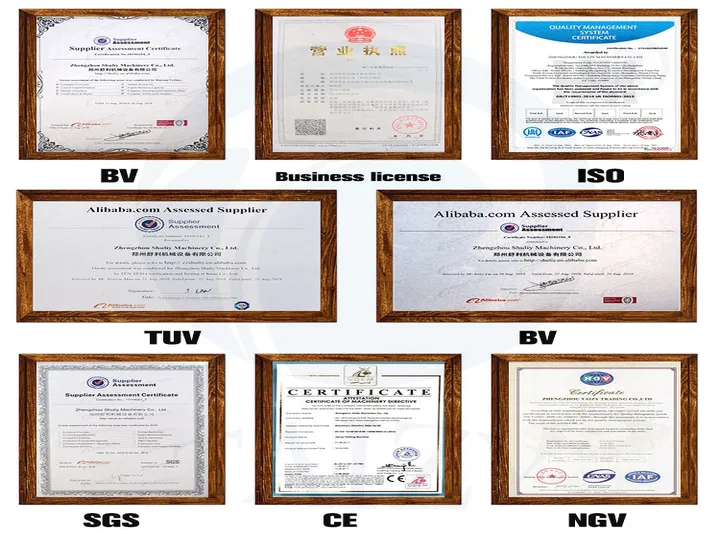
CE-marked machines with ISO9001 and SGS certification undergo additional testing and documentation. While this adds 10-15% to manufacturing cost, it simplifies customs clearance in the EU, Australia, and North America and satisfies food safety audit requirements.
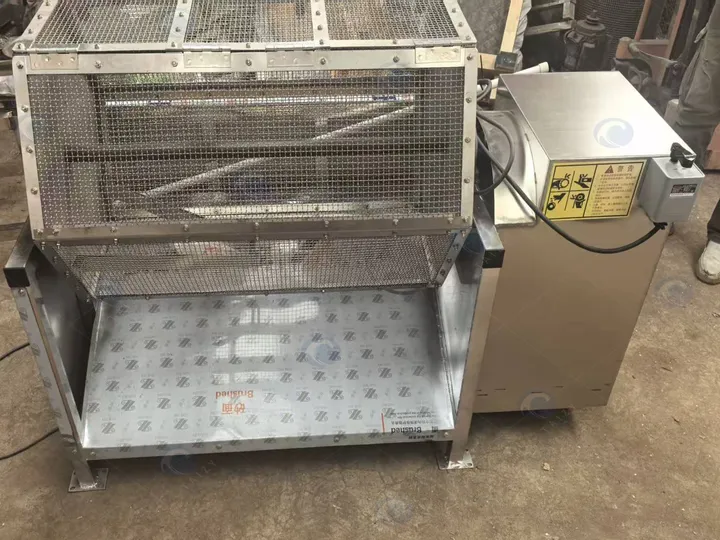
Price Breakdown by Equipment Tier
| Tier | Công suất | Price Range (USD) | Best For |
|---|---|---|---|
| Entry-Level | 30-50 kg/batch | $1,200–1,800 | Small fish markets, restaurants, startup processors |
| Mid-Range | 75-100 kg/batch | $1,800–2,800 | Medium processing plants, central kitchens, cooperatives |
| Công nghiệp | 150-200+ kg/batch | $2,800–4,500 | Large seafood factories, export-oriented processors |
Entry-Level ($1,200–1,800)
These compact units typically feature 220V single-phase power, 0.75-1.5 kW motors, and drums processing 30-50 kg per batch. Construction may mix 304 stainless contact parts with a painted steel frame. Suitable for operations processing under 500 kg daily.
Mid-Range ($1,800–2,800)
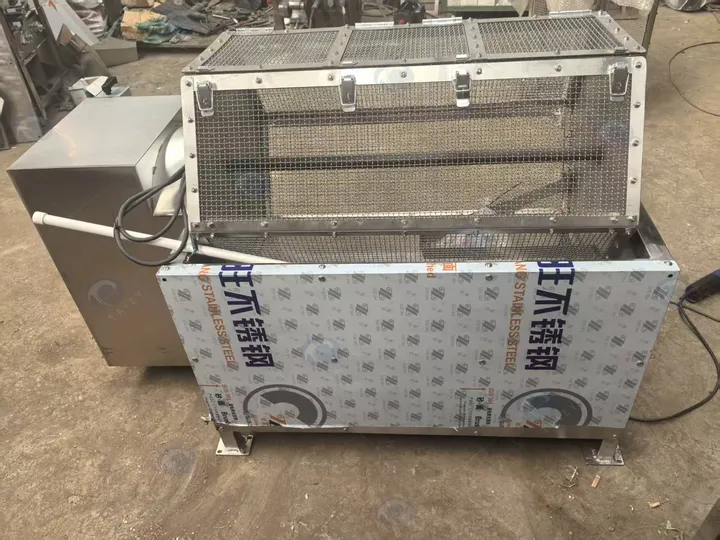
The sweet spot for most commercial buyers. Full 304 stainless steel construction, 1.5-2.2 kW motors, 75-100 kg batch capacity, and 99% scale removal rates. Machines in this bracket often include CE certification and operate reliably for 8-10 hours daily. This is where our TZ-150 model competes.
Industrial ($2,800–4,500)
Continuous-duty systems with 200+ kg drums, automated discharge, three-phase power, and heavy-duty gearboxes. Built for facilities processing multiple tons daily. Optional features include water recycling systems and integrated washing stations.
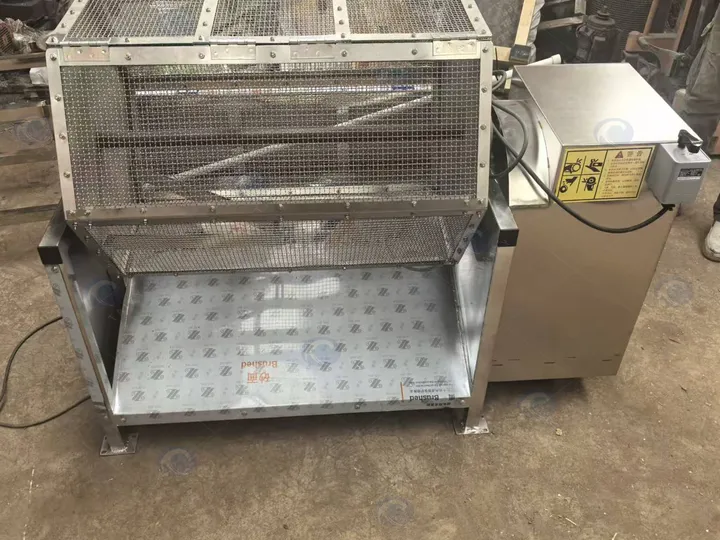
Hidden Costs Buyers Often Overlook
Shipping and Import Duties
Freight from China to major ports typically adds $200–600 depending on destination and shipment size. Import duties on food processing machinery vary by country but often range from 5% to 15% of declared value.
Installation and Electrical Work
While most fish scale removers ship fully assembled, you may need an electrician to install a 220V or 380V dedicated circuit. Budget $100–300 for electrical modifications in smaller facilities.
Spare Blades and Consumables
Scaling blades require replacement every 12-18 months under normal use. A replacement blade set costs $80–150. Keeping spare blades in stock prevents production downtime.
Water Connection and Drainage
If your facility lacks floor drains near the installation point, plumbing modifications may be necessary. The machine itself uses minimal water, but proper drainage simplifies daily sanitation.
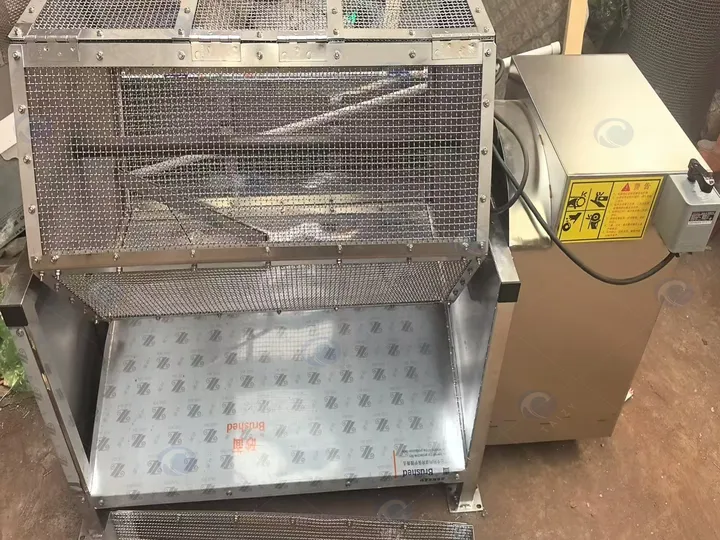
How to Calculate True Total Cost of Ownership
Step 1: Determine Your Daily Processing Volume
Calculate how many kilograms of fish you scale daily and your target growth over three years. Buying a machine with 50% excess capacity prevents a second purchase within 18 months.
Step 2: Compare Labor Costs
Manual scaling requires roughly one worker per 100 kg per hour at $8–15 hourly wage. A commercial fish descaler processing 1,000 kg per hour replaces 6-8 workers. Multiply hourly savings by operating hours to determine monthly labor reduction.
Step 3: Factor in Yield Recovery
Manual scaling damages 5-10% of fish skin, reducing marketable product value. Mechanical scaling keeps damage below 1%. For a facility processing $5,000 worth of fish daily, a 4% yield improvement equals approximately $200 in additional product value per day.
Step 4: Add Maintenance and Power Costs
At 1.5 kW and $0.12 per kWh, a scaler operating 8 hours daily consumes approximately $1.44 in electricity per day. Annual maintenance (blade replacement, lubrication) typically runs $200–400.
Step 5: Calculate Payback Period
Divide total equipment and installation cost by monthly savings (labor + yield improvement + reduced water usage). Most mid-range units achieve payback within 8-14 months.
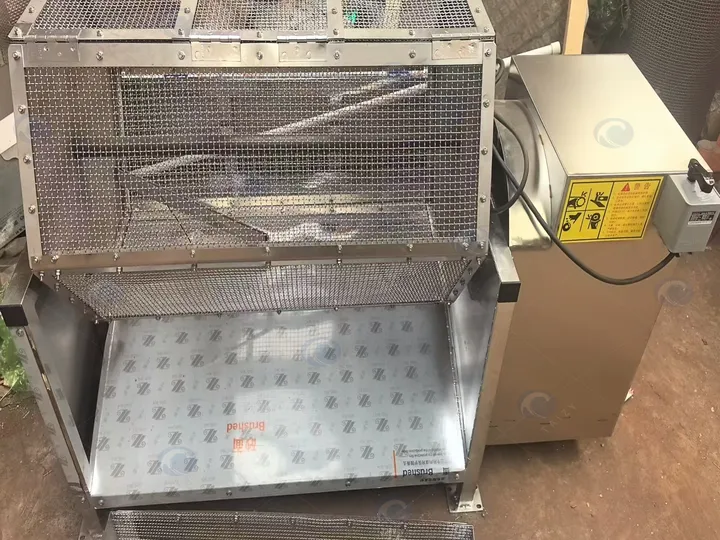
Related Seafood Processing Equipment
Scaling is just the first stage in a complete fish processing workflow. After removing scales, most facilities proceed to filleting, skinning, and packaging.
A fish fillet machine converts scaled whole fish into uniform boneless portions at 100 kg per hour. Pairing a scaler with a fillet machine creates a continuous two-stage processing line that eliminates manual handling between operations.
For processors selling skin-off products, a commercial fish skinning machine removes skin from fillets with precision depth control. The 267 mm blade handles salmon, tilapia, and whitefish species commonly processed after scaling.
Is a Commercial Fish Scaler Worth the Investment?
For any seafood operation scaling more than 300 kg of fish daily, the answer is generally yes. The combination of labor reduction, yield recovery, and consistent product quality typically generates full return on investment within the first year.
The key is selecting the right capacity tier. Under-buying leads to bottlenecks and overtime labor. Over-buying ties up capital in unused capacity. Start with your current daily volume, add 30% for growth, and choose the machine that matches that target.
Get a Custom Quote for Your Seafood Processing Needs
Fish scale remover cost varies by destination, voltage requirements, and optional features. Tell us your daily processing volume, target species, and facility power supply. We will recommend the right capacity tier and provide a delivered quote to your port.
Click the contact window on the right to get in touch with us. We will provide you with a quotation within 24 hours.