
Schritt-für-Schritt-Anleitung zur Wurstherstellung | Heimische Wurstherstellung
If you’ve ever wondered how to make sausage from scratch, you’re in for a treat! Making sausage at home allows you to customize flavors, control ingredients, and enjoy the satisfaction of creating your own delicious sausages. In this comprehensive step-by-step guide, we’ll walk you through the entire process of making sausage from raw materials to the final mouthwatering product. Get ready to embark on a flavorful culinary adventure with the help of professional Fleischverarbeitungsmaschinen.
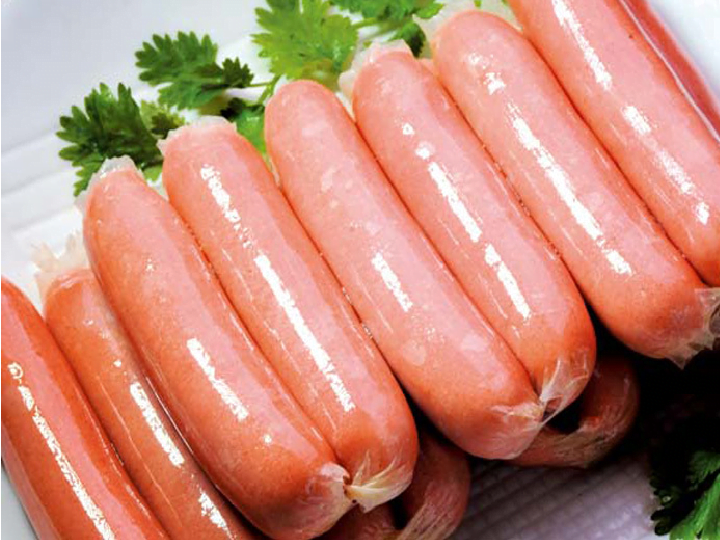
Abschnitt 1: Rohstoffvorbereitung
Start by selecting high-quality meats such as pork, beef, or a combination of both. For the best results, use meat with a fat content of around 20-30% to ensure juicy and flavorful sausages. Ensure that the meat and fat are properly trimmed and cut into smaller pieces (1-2 inch cubes) for easy processing through a Fleischwolfmaschine. Quality ingredients lay the foundation for a delectable sausage, so invest in fresh, high-quality meat from a reputable source.
Abschnitt 2: Mahlen und Mischen
Using a Mahlmaschine, pass the meat and fat through to achieve the desired texture. For most sausages, a medium grind is recommended, but you can adjust based on personal preference. Once ground, transfer the mixture to a mixing bowl or sausage mixer. Here, combine the ground meat and fat with an array of spices, seasonings, and other desired ingredients. Popular seasonings include salt, pepper, paprika, garlic powder, and fennel seeds. Mix thoroughly for 3-5 minutes to evenly distribute the flavors throughout the sausage mixture and develop the protein structure.
Abschnitt 3: Füllen
Attach a sausage stuffing tube or nozzle to a Wurstfüllmaschine. Carefully slide a casing, whether natural (made from animal intestines) or artificial (collagen or cellulose), onto the nozzle, leaving a small overhang. Fill the sausage stuffer with the prepared mixture and start pushing it through the nozzle, gradually filling the casing. Maintain consistent pressure to avoid air pockets, ensuring a perfectly stuffed sausage. If you notice air pockets, use a pin to prick them gently.
Abschnitt 4: Verbinden oder Portionieren
Once the casing is filled, it’s time to create individual sausages. Twist and pinch the sausage mixture at regular intervals (usually 4-6 inches apart) along the filled casing to form links. Alternatively, if you prefer uniform portions, consider using a sausage linker for automated and precise linking. For the best results, let the linked sausages rest for 30-60 minutes before cooking to allow the flavors to meld.
Abschnitt 5: Kochen oder Räuchern
Choose your preferred cooking method based on the type of sausage you’re making. Options include steaming, boiling, baking, or grilling. Ensure the sausages are cooked to the recommended internal temperature (160°F/71°C for pork and beef sausages) for optimal food safety. To add a smoky flavor, consider smoking the sausages in a smokehouse using wood chips such as hickory, apple, or mesquite. Smoking typically takes 2-4 hours at a temperature of 160-180°F.
Abschnitt 6: Abkühlen und Qualitätskontrolle
Nach dem Kochen oder Räuchern lassen Sie die Würste innerhalb von 2 Stunden auf eine sichere Temperatur (unter 40°F/4°C) abkühlen. Sie können den Vorgang beschleunigen, indem Sie Kühlgitter verwenden oder sie in einem Eisbad platzieren. Nutzen Sie diese Gelegenheit, um die Würste auf Unregelmäßigkeiten wie Luftblasen, Brüche oder Verfärbungen zu überprüfen. Entfernen Sie defekte Würste, um die Spitzenqualität zu gewährleisten. Das richtige Abkühlen ist entscheidend für die Lebensmittelsicherheit und verlängert die Haltbarkeit Ihrer Würste.
Abschnitt 7: Verpackung und Lagerung
Verpacken Sie Ihre hausgemachten Würste mit geeigneten Lagerungsmaterialien wie vakuumversiegelten Beuteln, Hüllen oder Tabletts. Beschriften Sie die Verpackungen mit wichtigen Informationen, einschließlich Wurstart, Herstellungsdatum und Lagerhinweisen. Lagern Sie die Würste im Kühlschrank bei 40°F/4°C oder darunter für bis zu 3-4 Tage oder im Gefrierschrank bei 0°F/-18°C für bis zu 2-3 Monate. Für längere Lagerung sollten Sie Vakuumversiegelung in Betracht ziehen, um Gefrierbrand zu vermeiden.
Profi-Tipps für perfekte hausgemachte Würste
- Halten Sie alle Geräte und Zutaten während des gesamten Prozesses kühl, um die Lebensmittelsicherheit zu gewährleisten und die Textur zu verbessern
- Experimentieren Sie mit verschiedenen Gewürzkombinationen, um einzigartige Geschmacksprofile zu kreieren
- Verwenden Sie natürliche Hüllen für eine authentischere Textur und Geschmack
- Erwägen Sie die Zugabe von flüssigen Zutaten wie Wein, Bier oder Brühe für zusätzliche Feuchtigkeit und Geschmack
- Reinigen Sie alle Geräte nach der Verwendung gründlich, um Kreuzkontaminationen zu vermeiden
Zusammenfassung
Congratulations! You’ve successfully mastered the art of making homemade sausages. By following this step-by-step guide and using quality Fleischverarbeitungsmaschinen, you can create mouthwatering sausages bursting with flavors customized to your liking. Experiment with different ingredients, seasonings, and cooking methods to craft your own signature sausages that will impress family and friends. Whether you’re making breakfast sausages, Italian sausages, or bratwurst, the process remains largely the same. Enjoy the satisfaction of indulging in delicious sausages made with your own hands, and don’t forget to share your creations with others!
For more information on sausage making equipment and supplies, visit our Wurstproduktionslinie page to explore professional solutions for both home and commercial use.