
What Is a Fish Fillet Machine and How Does It Work? Complete 2026 Guide
If you run a seafood restaurant, fish processing plant, or commercial kitchen, you’ve probably faced the challenge of manually filleting fish. It’s time-consuming, requires skilled labor, and often results in inconsistent slices. That’s where a fish fillet machine comes in.
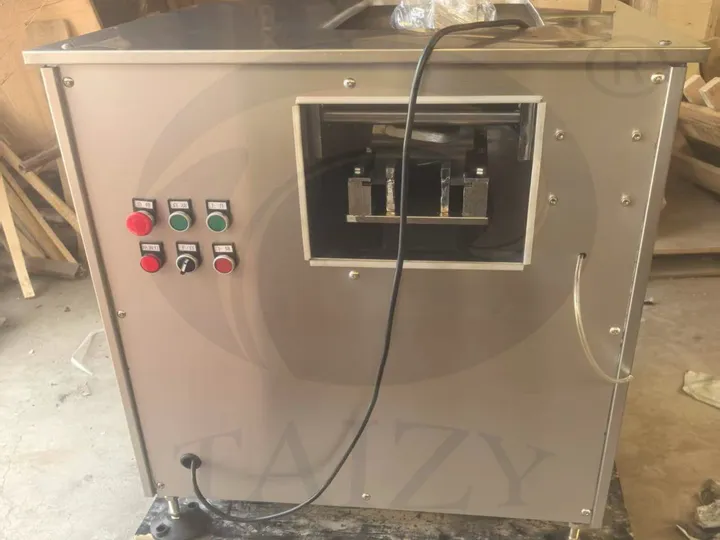
In this comprehensive guide, we’ll explain exactly what a fish fillet machine is, how it works, and why it might be the game-changing investment your business needs in 2026.
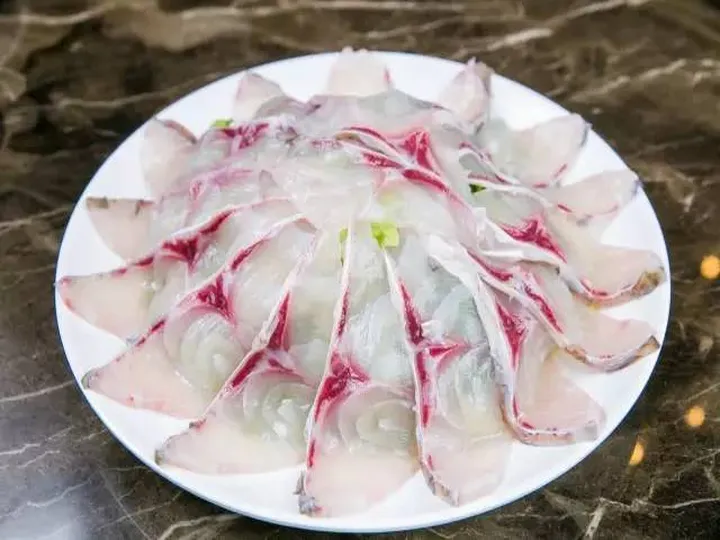
What Is a Fish Fillet Machine?
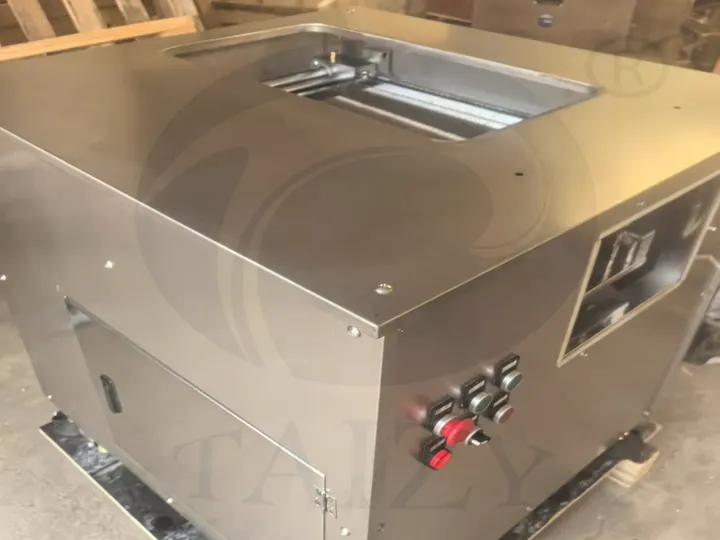
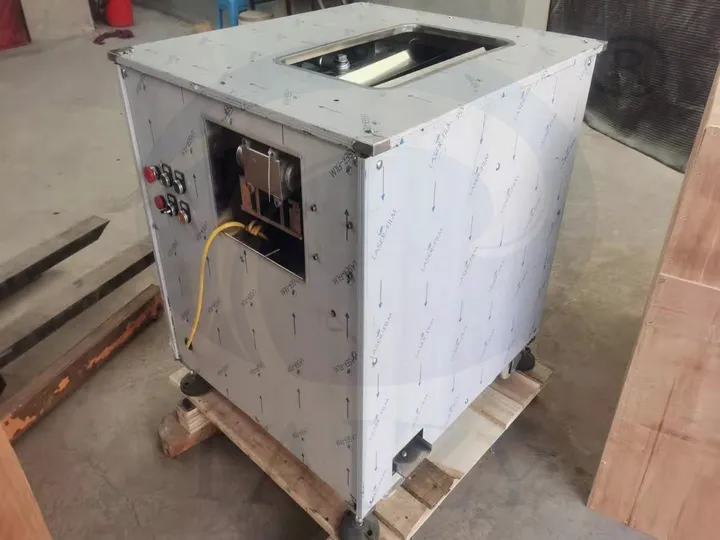
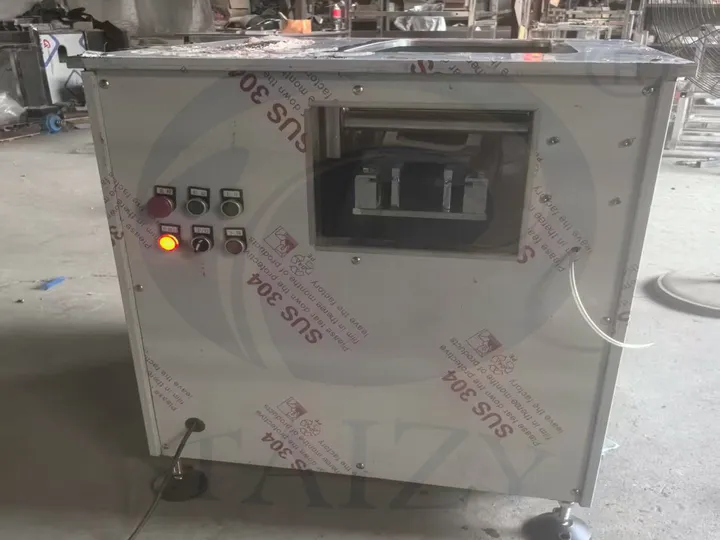
A fish fillet machine (also known as a fish slicing machine or automatic fish cutter) is a commercial-grade food processing equipment designed to automatically slice whole fish into uniform fillets. These machines use precision blades and automated feeding systems to transform raw fish into ready-to-cook portions with minimal human intervention.
Unlike manual filleting, which requires years of training and consistent practice, a fish fillet machine delivers professional-quality results every time—regardless of who’s operating it.
Key Characteristics of Modern Fish Fillet Machines
| Feature | Description |
|---|---|
| Automation Level | Fully automatic feeding and cutting |
| Cutting Precision | Adjustable thickness (1.5-4mm) and angles (25°-45°) |
| 材料 | 304 food-grade stainless steel construction |
| 容量 | Up to 100kg/hour processing speed |
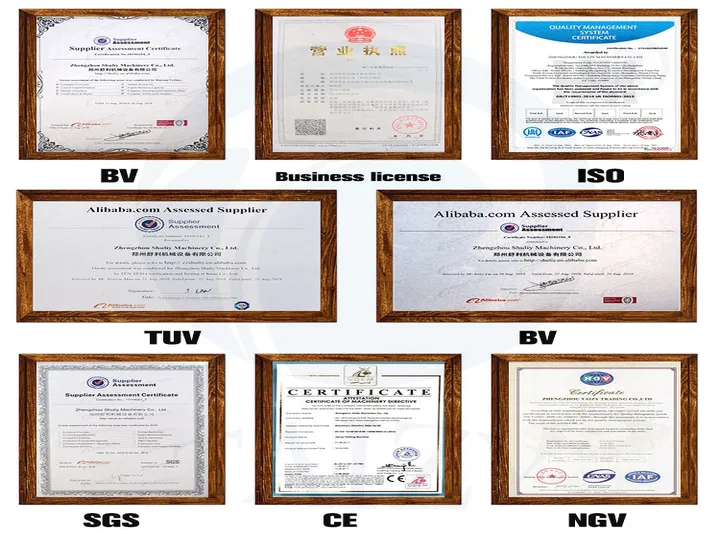
| 認証 | CE, ISO9001, SGS, TUV compliant |
| Safety | Emergency stop, protective guards, safety switches |
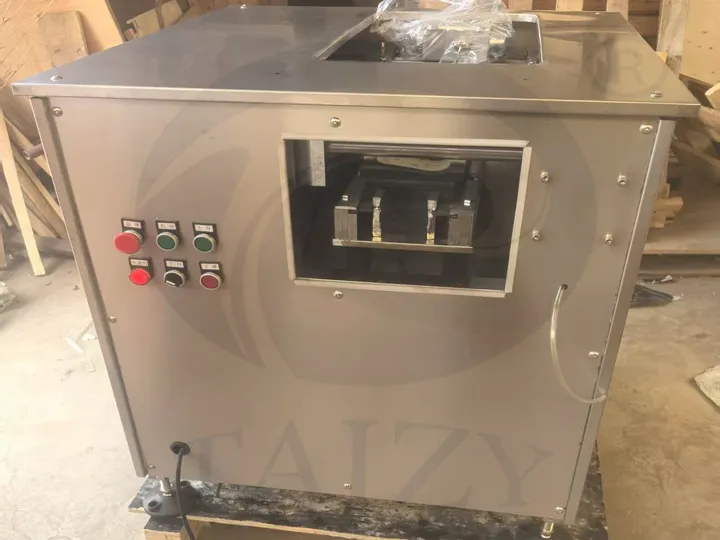
How Does a Fish Fillet Machine Work?
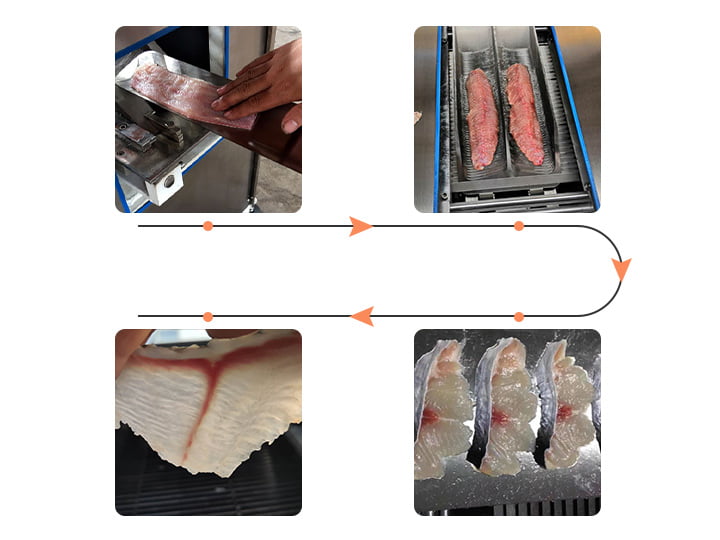
Understanding the working principle helps you operate the machine safely and achieve the best results. Here’s a step-by-step breakdown of how a typical automatic fish fillet machine works:
Step 1: Preparation
Before using the machine, the fish must be properly prepared:
- Scaling – Remove scales using a fish scaler machine
- Cleaning – Rinse thoroughly to remove blood and debris
- Deboning – Remove central bones for easier slicing
Step 2: Loading
Place the prepared fish meat onto the stainless steel feeding tray. The tray is designed to hold the fish securely and position it correctly for cutting.
Step 3: Automatic Feeding
Once activated, the machine’s feeding mechanism automatically moves the fish toward the cutting blades at a consistent speed. This ensures uniform slice thickness throughout the entire batch.
Step 4: Precision Cutting
The heart of the fish fillet machine is its dual-blade cutting system:
- Horizontal Blade – Cuts the fish at the preset thickness (1.5-4mm)
- 角度調整 – Adjusts the cutting angle (25°-45°) for optimal presentation
- 二グループ刃 – Two matched blade sets ensure clean cuts without shredding
As the fish rises with the feeding tray, it gradually contacts the blades, producing even slices that maintain the fish’s natural fibrous structure.
Step 5: Collection
The sliced fillets fall onto a collection tray or conveyor, ready for packaging or further processing.
Types of Fish Fillet Machines
Not all fish fillet machines are created equal. Here are the main types available in 2026:
1. Tabletop Fish Slicers
Best for: Small restaurants, catering businesses
Capacity: 20-50 kg/hour
Price Range: $500-$2,000
Pros: Compact, affordable, easy to clean
Cons: Limited capacity, manual feeding required
2. Automatic Fish Fillet Machines
Best for: Medium-sized processing facilities, seafood markets
Capacity: 80-150 kg/hour
Price Range: $3,000-$8,000
Pros: High efficiency, consistent quality, adjustable settings
Cons: Higher initial investment, requires training
3. Industrial Fish Processing Lines
Best for: Large-scale fish processing plants
Capacity: 200+ kg/hour
Price Range: $15,000-$50,000+
Pros: Fully integrated, highest capacity, customizable
Cons: Significant investment, requires dedicated space
Benefits of Using a Fish Fillet Machine
1. Increased Efficiency
A skilled worker can manually fillet approximately 15-20 kg of fish per hour. An automatic fish fillet machine can process 100 kg/hour or more—that’s a 400-500% increase in productivity.
2. Consistent Quality
Manual filleting results in variations in thickness and angle. Machines deliver uniform slices every time, which is crucial for:
- Professional presentation in restaurants
- Consistent cooking times
- Accurate portion control
- Reduced waste
3. Labor Cost Savings
With rising labor costs worldwide, automation makes financial sense:
Actual costs are subject to local labor rates; the following figures are for reference only.
| Cost Factor | Manual Filleting | Machine Filleting |
|---|---|---|
| Labor (per hour) | $15-25 | $5-8 (operator) |
| Output (kg/hour) | 15-20 | 100+ |
| Cost per kg | $0.75-1.67 | $0.05-0.08 |
| Annual savings (100kg/day) | 55 (四) | $25,000-40,000 |
4. Food Safety
Modern fish fillet machines feature:
- 304ステンレス鋼 construction (food-grade, corrosion-resistant)
- Easy disassembly for thorough cleaning
- Smooth surfaces that prevent bacterial growth
- Compliance with HACCP and international food safety standards
5. Versatility
Quality fish fillet machines can handle multiple species:
- サーモン
- ティラピア
- Cod
- ニシン
- コイ
- Tuna
- And more
What to Look for When Buying a Fish Fillet Machine
Essential Features
- ✅ Adjustable cutting thickness (1.5-4mm range)
- ✅ Adjustable cutting angle (25°-45° range)
- ✅ ステンレス鋼構造 (304 grade minimum)
- ✅ Safety certifications (CE, ISO, SGS)
- ✅ Emergency stop button
- ✅ Easy cleaning design
- ✅ Warranty and after-sales support
Optional Upgrades
- Automatic feeding system – Reduces manual labor
- Digital controls – Precise setting adjustments
- Multiple blade sets – For different fish types
- Integrated conveyor – For high-volume operations
- Remote monitoring – IoT-enabled diagnostics
Red Flags to Avoid
- Non-food-grade materials (aluminum, regular steel)
- No safety certifications
- Complicated disassembly (difficult to clean)
- No local service support
- Unrealistic capacity claims
Operating Costs and ROI
Initial Investment
| 機械タイプ | Price Range | Installation | Total Initial Cost |
|---|---|---|---|
| Tabletop | $500-$2,000 | $0-$200 | $500-$2,200 |
| Automatic | $3,000-$8,000 | $200-$500 | $3,200-$8,500 |
| Industrial | $15,000-$50,000 | $1,000-$5,000 | $16,000-$55,000 |
Ongoing Costs (Annual)
- Blade replacement: $100-$500
- Maintenance: $200-$1,000
- Electricity: $300-$1,500
- Total: $600-$3,000/year
Return on Investment
For a medium-sized operation processing 100kg/day:
- Labor savings: $25,000-40,000/year
- Reduced waste: $5,000-10,000/year
- Increased output value: $10,000-20,000/year
- Total annual benefit: $40,000-70,000
- Payback period: 2-6 months
Maintenance Best Practices
Daily Maintenance
- Clean thoroughly after each use with food-safe sanitizer
- Inspect blades for damage or dullness
- Lubricate moving parts (follow manufacturer guidelines)
- Check safety features (emergency stop, guards)
Weekly Maintenance
- Deep clean all removable parts
- Sharpen or replace blades as needed
- Inspect electrical connections
- Check belt tension (if applicable)
Monthly Maintenance
- Professional inspection by certified technician
- Calibration check for cutting precision
- Replace worn parts proactively
- Update maintenance log
Common Questions About Fish Fillet Machines
Can a fish fillet machine handle all types of fish?
Most machines can handle firm-fleshed fish like salmon, tilapia, cod, and carp. Soft fish or those with many small bones may require specialized equipment or manual processing.
How long does a fish fillet machine last?
With proper maintenance, a quality fish fillet machine can last 10-15 years. Blades typically need replacement every 6-12 months depending on usage.
Is training required to operate a fish fillet machine?
Basic operation can be learned in 1-2 hours. However, optimal settings for different fish types and troubleshooting require 1-2 days of comprehensive training.
What’s the difference between a fish fillet machine and a fish slicer?
The terms are often used interchangeably. Technically, a “fillet machine” typically removes bones and skin while slicing, while a “slicer” may only cut pre-prepared fish portions.
Can I use a fish fillet machine for meat?
Some machines are designed for both fish and meat (chicken, pork, beef). Check manufacturer specifications before using for non-fish products.
The Future of Fish Processing: 2026 and Beyond
The fish processing industry is rapidly evolving. Here are key trends shaping the future:
1. Smart Technology Integration
- IoT sensors monitor blade wear and predict maintenance needs
- AI optimization adjusts cutting parameters in real-time
- Remote diagnostics reduce downtime
2. Sustainability Focus
- Waste reduction technologies maximize yield
- Energy-efficient motors reduce carbon footprint
- Recyclable materials in construction
3. Labor Shortage Solutions
With declining interest in traditional fish processing careers, automation isn’t just convenient—it’s essential for industry survival.
結論
A fish fillet machine is more than just a piece of equipment—it’s an investment in your business’s efficiency, consistency, and profitability. Whether you’re a small restaurant looking to streamline kitchen operations or a large processing plant aiming to scale production, there’s a machine that fits your needs.
The key is choosing the right type for your specific requirements, ensuring proper training for operators, and maintaining the equipment according to manufacturer guidelines.
Ready to explore fish fillet machines for your business? Browse our selection of commercial fish processing equipment or contact our experts for personalized recommendations.
Related Articles
- Fish Fillet Machine | Fish Slicing Machine – Product Page
- How to Choose the Best Commercial Fish Slicer for Your Restaurant
- Fish Processing Equipment: Complete Buyer’s Guide 2026
- Top 10 Benefits of Automating Your Fish Processing Line
- Fish Fillet Machine Maintenance: Daily, Weekly & Monthly Checklist
About the Author: This guide was prepared by the equipment specialists at Taizy Food Machinery, with over 15 years of experience in commercial fish processing solutions.
Have questions about fish fillet machines? Leave a comment below or contact our team for expert advice.