
How to Choose a Bone Crusher Machine for Your Plant?
Choosing the right bone crusher machine starts with matching the equipment to your raw material type, daily processing volume, and desired output particle size. A unit that works well for a small pet food operation will likely fail under the demands of an industrial rendering plant. Before contacting suppliers, clarify three things: what bones you process, how many kilograms per hour you need to crush, and what final product the crushed bone becomes.
Most commercial animal bone crushing machines fall into three capacity tiers: small units handling 20-200 kg/h for shops and pilot plants, mid-range models processing 200-1000 kg/h for medium processors, and industrial systems exceeding 1000 kg/h for large facilities. Motor power, blade material, and hopper size scale with capacity. Trying to save money by under-sizing equipment usually leads to motor overload, blade damage, and production delays.
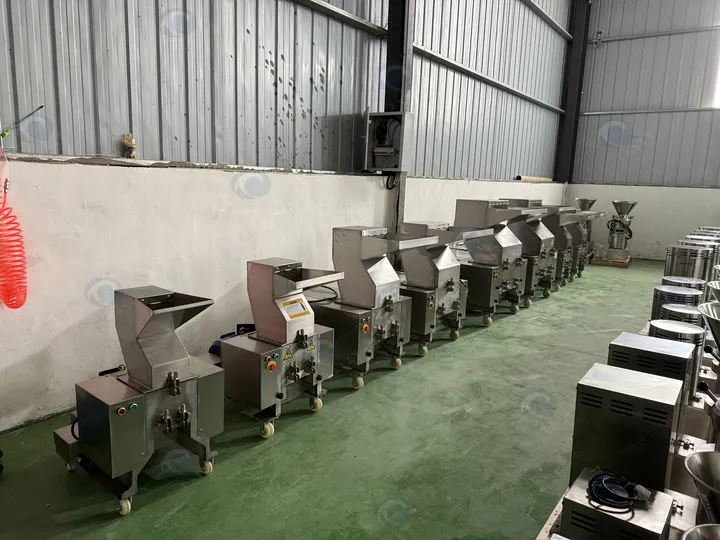
This guide walks through the key decision points so you can request a targeted quote and avoid common buying mistakes.
Define Your Raw Material
Hard vs Soft Bones
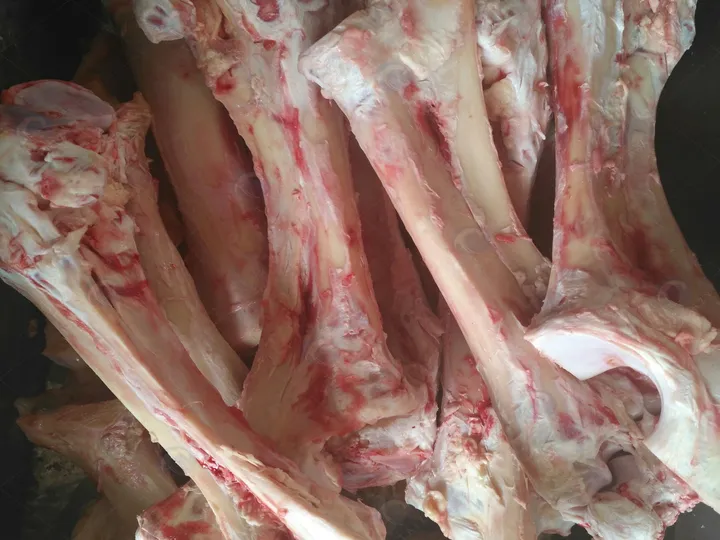
Beef and pork leg bones are dense and require high-torque crushing chambers with heat-treated alloy blades. Poultry bones, rabbit bones, and fish frames crush more easily but process in higher volumes. Make sure the supplier knows your primary bone type before recommending a model.
Fresh, Frozen, or Pre-Broken
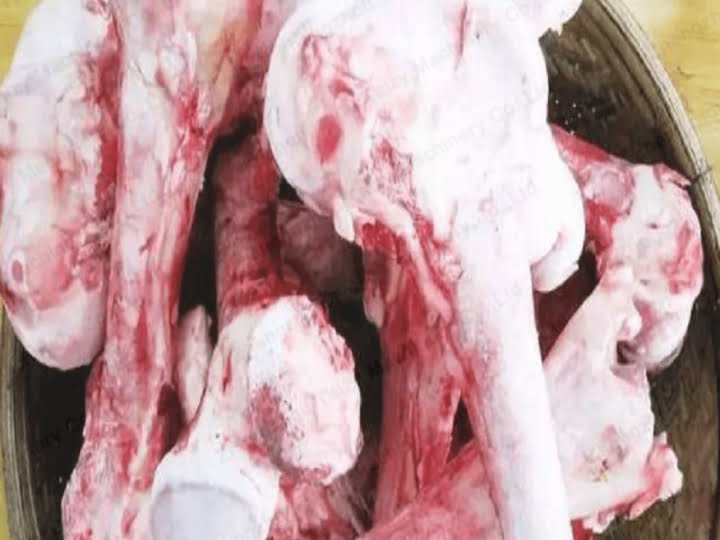
Standard bone break machines handle fresh bones best. If you feed frozen blocks, specify this upfront. Some crushers accept frozen material, but the motor, blade geometry, and feed opening must be rated for it. Pre-breaking large bones with a bone saw or splitter also reduces stress on the crusher.
Contamination Risk
Bones sourced from slaughterhouses may contain metal tags, hooks, or gravel. Magnetic separators or manual sorting stations protect the crushing chamber from damage and reduce maintenance costs.
Match Capacity to Production Volume
| Plant Size | Typical Output | Recommended Capacity | Công suất động cơ |
|---|---|---|---|
| Small shop / pilot | 50-200 kg/day | 20-100 kg/h | 1.5-4 kW |
| Medium processor | 500-2000 kg/day | 200-800 kg/h | 5.5-11 kW |
| Large rendering/pet food | 5+ tons/day | 1000-4000 kg/h | 15-37 kW |
Always size for peak volume, not average. Seasonal slaughter peaks or contract rendering runs can push daily output 30-50% above normal levels. A machine running at 80% rated capacity lasts longer than one constantly maxed out.
Check Output Particle Size Range
Different downstream products need different particle sizes:
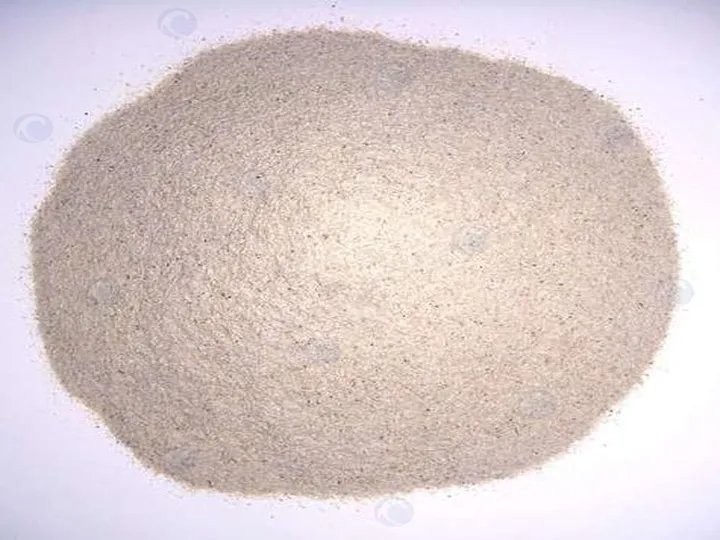
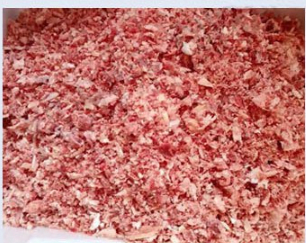
- Bone meal/fertilizer: 3-10 mm particles
- Pet food: 5-15 mm flakes or powder
- Bone broth/extraction: 10-30 mm chunks
- Rendering: Variable, often 20-80 mm
Look for a bone crusher machine with adjustable screen sizes or replaceable screens. Fixed-output machines limit your product range and may force a second purchase later.
Evaluate Construction and Safety
Material Quality
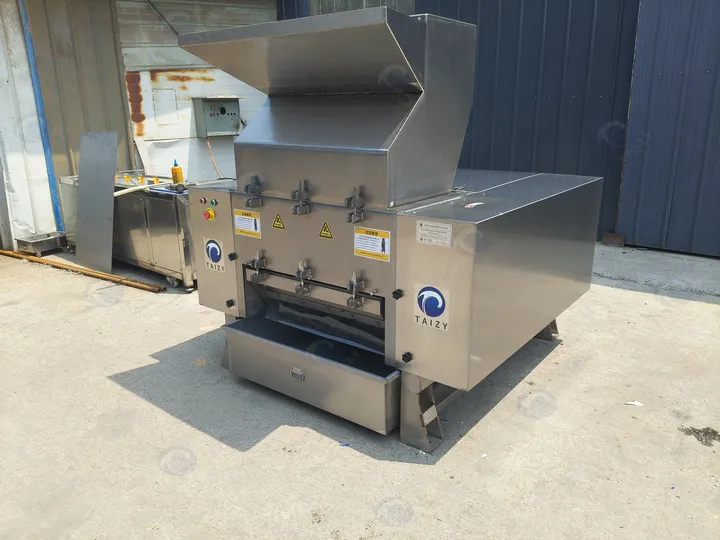
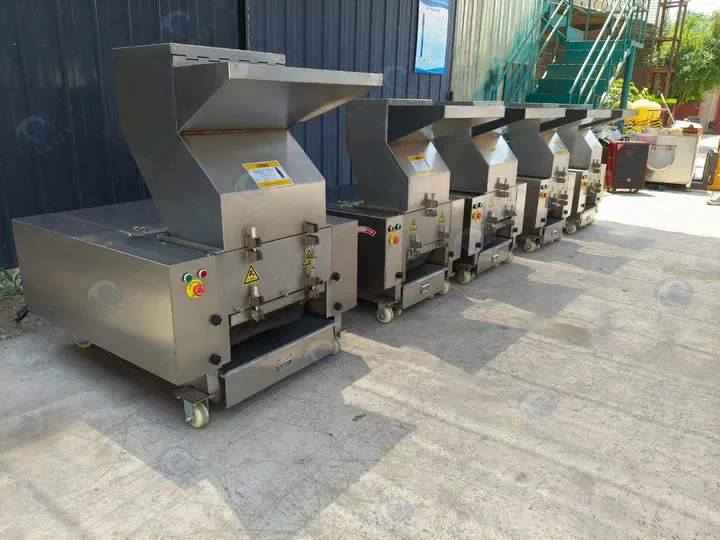
Food-grade 304 stainless steel contact surfaces resist corrosion and simplify cleaning. Painted carbon steel frames cost less but deteriorate faster in wet processing environments.
Blade Design and Sharpening
Claw-type or shear-type blades with heat-treated alloy steel last longer and can be resharpened. Ask how many sharpening cycles the blades tolerate before replacement.
Safety Features
Overload protection, emergency stop buttons, and interlocked hopper covers are essential. A well-designed machine stops automatically if foreign objects enter the chamber.
Consider Power and Installation
Most mid-size crushers run on 380V three-phase power. Small units may offer 220V single-phase options. Confirm your facility voltage, required circuit breaker size, and whether you need a dedicated foundation or vibration pads.
Plan for Total Cost of Ownership
Purchase price is only part of the equation. Budget for:
- Freight and import duties
- Electrical installation
- Spare blade sets
- Regular maintenance
- Power consumption over 5 years
A slightly more expensive machine with longer blade life and lower power draw often costs less over its lifetime.
Related Bone Processing Equipment
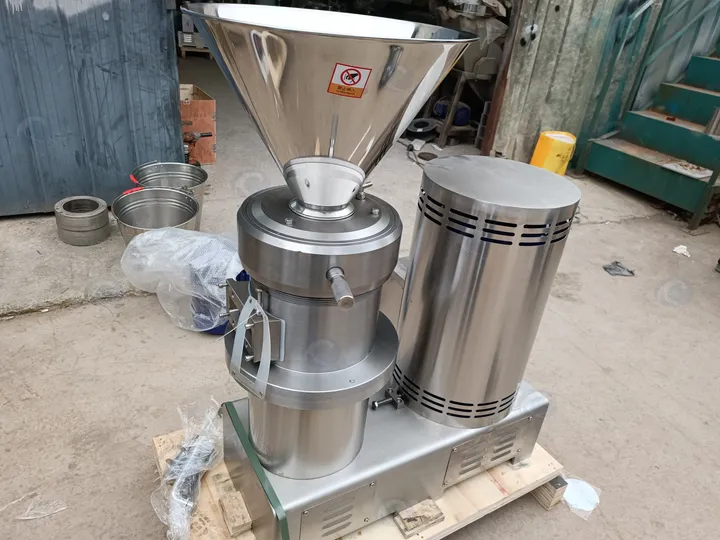
After crushing, many plants further refine bone material into paste or powder. A máy xay xương (also called a bone paste grinder or colloid mill) reduces crushed particles into smooth bone mud for sausage, fish ball, and pet food applications.
For plants handling whole frozen blocks before crushing, a frozen meat block breaker or meat planer pre-sizes material and protects downstream equipment.
Get Expert Help Selecting Your Bone Crusher
Still unsure which máy nghiền xương fits your plant? Send us your bone type, daily volume, target particle size, and facility power supply. Our engineers will recommend the right model and provide a delivered quote.