How to Choose the Right Meatball Production Line for Your Business?
Buying a meatball production line is a decision that shapes your production capacity, product quality, and operating costs for years. The market offers everything from single meatball forming machines to fully integrated systems, so choosing the right setup requires a clear understanding of your own needs.
This guide focuses on the Taizy meatball production line and explains how to match it to your business. With a standard capacity of 500 to 600 pieces per hour and a raw meat processing rate of 100 to 200 kilograms per hour, it sits in the commercial range most buyers actually need. Below, we walk through the decision step by step.
What Does a Standard Meatball Production Line Include?
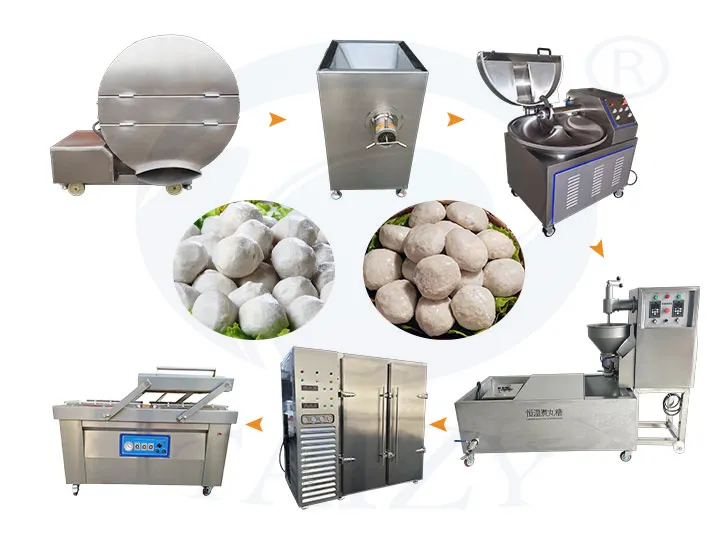
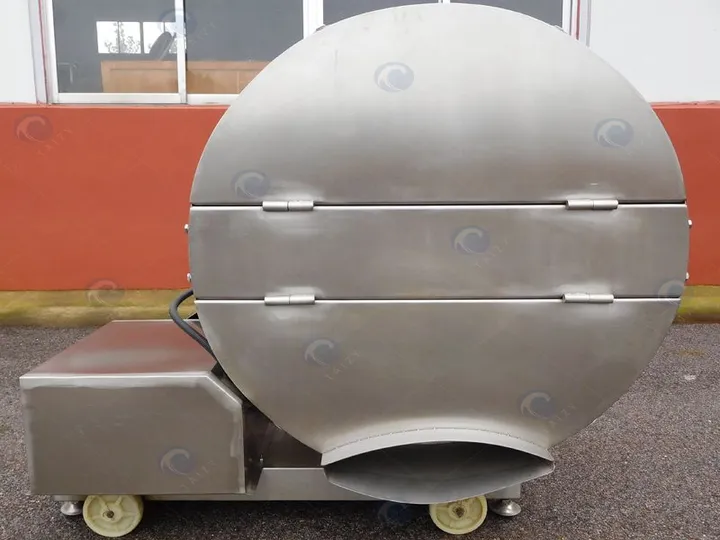
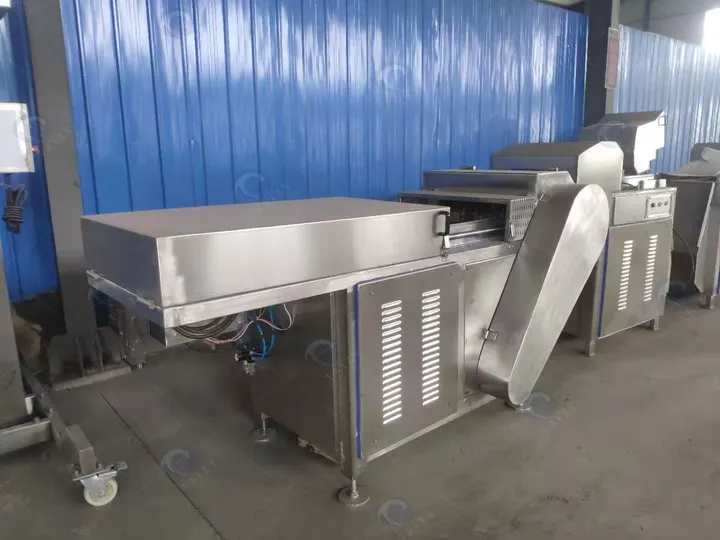
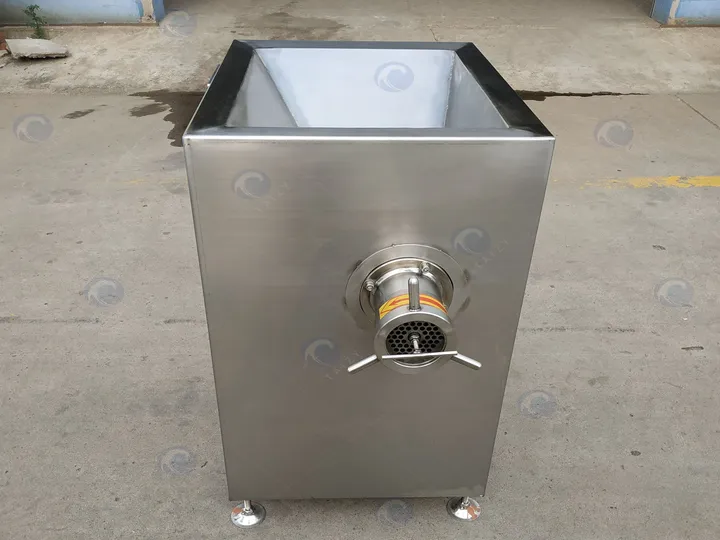
The Taizy meatball production line is not one machine. It is a connected sequence of equipment designed to take raw meat through every stage needed for finished, packaged meatballs. The standard processing flow includes:
- Meat flaking
- Grinding
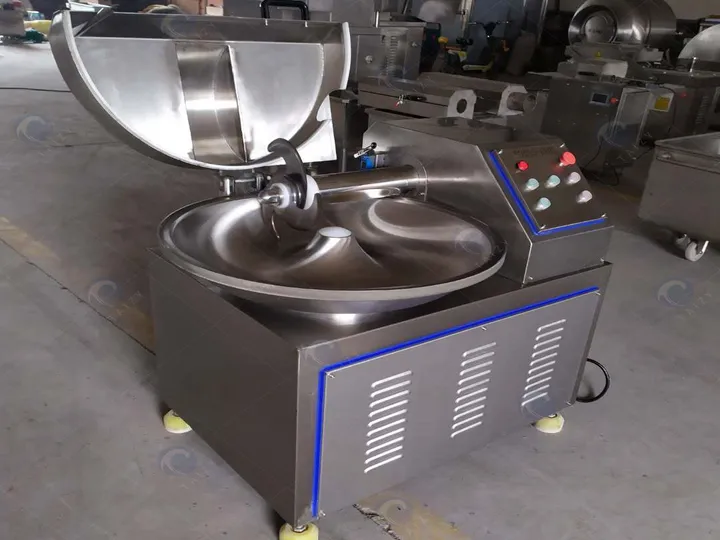
- Chopping and mixing
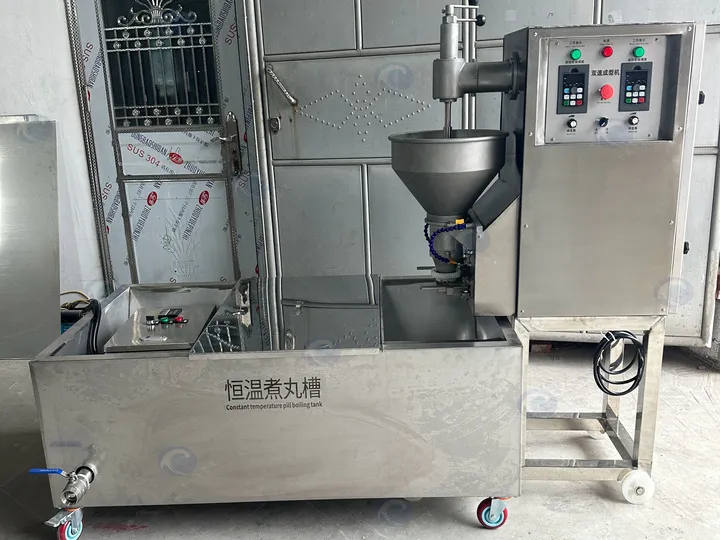
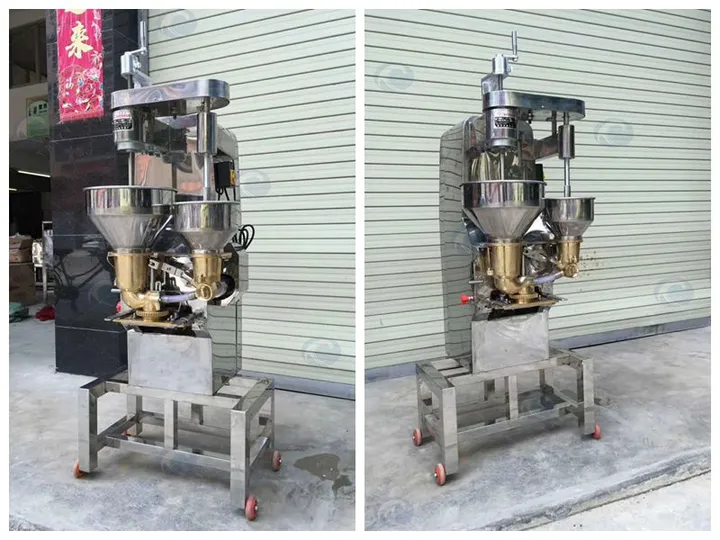
- Meatball forming
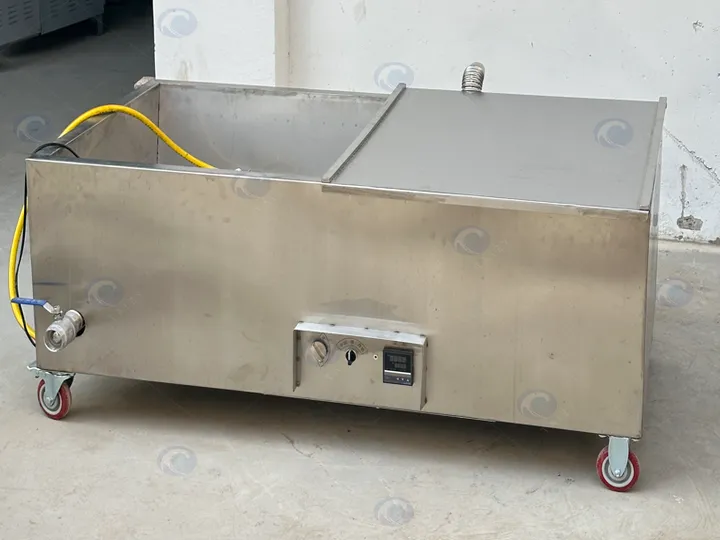
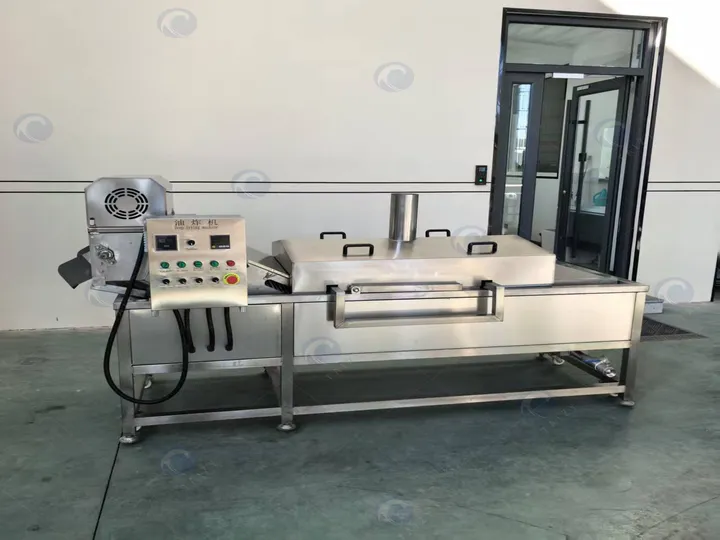
- Shaping or cooking
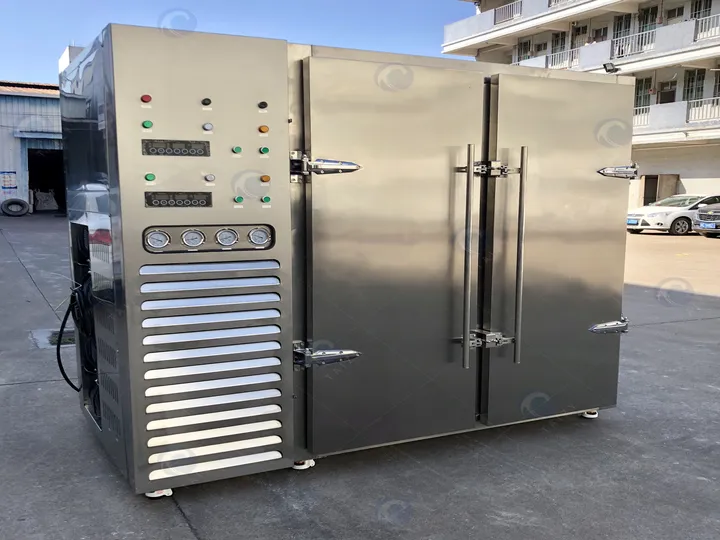
- Quick freezing
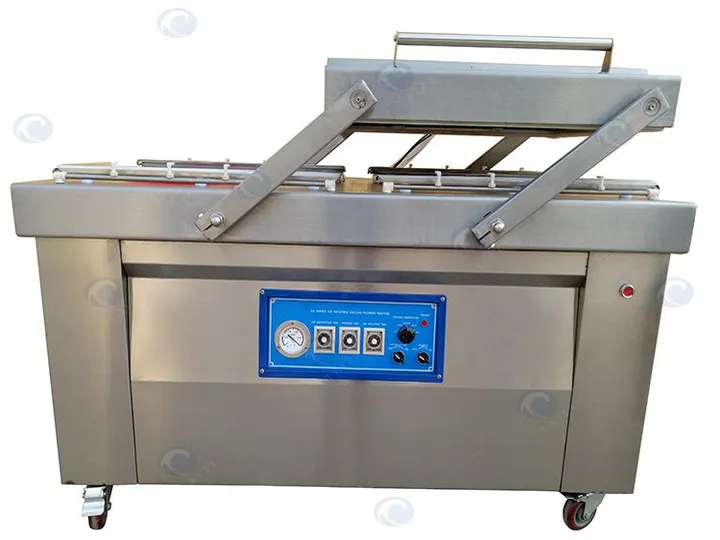
- Đóng gói chân không
Each machine connects through conveyors and control panels. The full line spans roughly 8 to 12 meters and weighs 800 to 1,200 kilograms. All food-contact parts are made from 304 stainless steel, which is essential for food safety and easy cleaning.
Step 1: Define Your Production Target
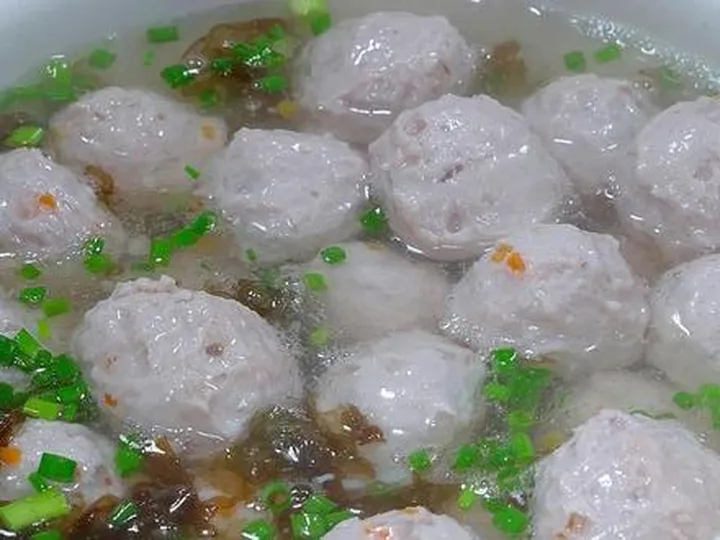
Before comparing models, calculate your required output. The Taizy meatball production line forms about 500 to 600 meatballs per hour. If your raw meat input is 100 to 200 kilograms per hour, this line will keep up with steady commercial demand.
Ask yourself:
- How many kilograms of meatballs do I sell per day?
- How many production hours do I run?
- Will demand grow in the next one to two years?
If you currently sell 500 kilograms per day, the Taizy line can handle that in roughly three to four production hours. That leaves room for growth before you need a second shift or a second line.
Step 2: Check Your Available Factory Space
A common mistake buyers make is purchasing equipment before confirming floor space. The Taizy meatball production line needs about 8 to 12 meters of linear space. You also need room for:
- Raw material receiving and cold storage nearby
- Worker access on both sides of the line
- Packaging tables or automated bagging equipment
- Cleaning stations and drainage
Request a layout drawing from the supplier before finalizing your order. This lets you position the line correctly and plan utilities like power, water, and compressed air.
Step 3: Match the Configuration to Your Meatball Type
Not all meatballs are the same. Beef, pork, chicken, and fish meatballs have different textures. Stuffed meatballs need different forming heads than plain ones.
The Taizy line is adjustable. You can change forming molds and shaping rollers to match your product. Make sure you discuss these details with the supplier:
- Meatball diameter range you plan to produce
- Whether you need plain or stuffed products
- Target weight tolerance per piece
- Whether you want pre-cooked or raw-frozen output
A misconfigured meatball forming machine causes size inconsistency, which affects cooking times, packaging weights, and customer satisfaction.
Step 4: Understand Power and Utility Requirements
The Taizy meatball production line runs on 380V three-phase power. This is standard for industrial food equipment but not available in every facility. Confirm your electrical supply before ordering.
You will also need:
- A stable water supply for mixing and cleaning
- Floor drains positioned near the line
- Sufficient lighting and ventilation
- Compressed air if pneumatic components are included
Failing to plan utilities early can delay installation by weeks.
Step 5: Compare Semi-Automatic and Fully Automatic Options
Automation level affects labor cost, output consistency, and initial price. The Taizy line can be configured from semi-automatic to more automated depending on your budget and staff availability.
A semi-automatic setup needs workers at feeding, transfer, and packaging points. A fully automatic meatball processing line reduces labor but costs more upfront and requires a maintenance-aware team.
For many mid-sized plants, the Taizy standard line strikes the right balance. It automates forming and conveying while still allowing manual supervision at packaging.
Step 6: Evaluate Material Quality and Hygiene Design
Food safety is non-negotiable. The Taizy line uses 304 stainless steel on all food-contact surfaces. This resists corrosion, supports high-temperature washdowns, and complies with common export market regulations.
Check for:
- Smooth welded joints without food traps
- Removable parts for daily cleaning
- Sealed electrical boxes to prevent water damage
- Adjustable feet for leveling on uneven floors
A hygienic meatball making machine reduces contamination risk and passes inspections more easily.
Step 7: Calculate Total Cost, Not Just Machine Price
The machine price is only part of the total investment. When budgeting for a meatball production line, include:
- Shipping and customs clearance
- Installation and commissioning
- Training for your operators
- Spare parts like blades, molds, and belts
- First batch of raw materials for testing
A line that costs slightly more upfront often saves money if it uses less energy, breaks down less often, and comes with reliable support.
Step 8: Ask About After-Sales Support
A production line is a long-term asset. Before buying, confirm what support the supplier offers. Useful services include:
- English-language operation manuals
- Video or on-site installation guidance
- Spare parts availability within your region
- Technical troubleshooting by phone or video call
Taizy provides consultation, layout planning, and post-installation support. This matters more than many buyers realize, especially during the first month of operation.
Realistic Workflow for the Taizy Meatball Production Line
To help you visualize production, here is how the standard line runs:
- Raw meat enters the flaking or grinding machine.
- Ground meat moves into the chopper mixer for seasoning and binding.
- The meatball forming machine shapes portions into uniform balls.
- Meatballs pass through a shaping or pre-cooking unit.
- A quick freezer lowers the core temperature.
- Vacuum packaging seals the product for distribution.
This continuous flow reduces manual handling and keeps product temperature controlled.
Who Should Buy This Line?
The Taizy meatball production line is best suited for:
- Meat processing plants expanding into value-added products
- Butcher shops scaling from hand-formed to machine-formed meatballs
- Food factories supplying supermarkets, restaurants, or schools
- Startups with confirmed demand and a medium production target
It is not a kitchen appliance. It is a commercial system designed for repeated daily use.
Final Checklist Before You Buy
Use this checklist to make your final decision:
- Capacity target defined: daily kg output and pieces per hour
- Factory space measured and layout confirmed
- Utility requirements met: 380V power, water, drainage
- Meatball type and size confirmed with supplier
- Stainless steel construction verified
- Automation level matched to labor budget
- Total cost calculated including shipping and installation
- After-sales support terms understood
Looking for a Meatball Production Line?
Choosing the right meatball production line means matching your output goals, factory layout, and product type to a reliable system. The Taizy line, with its 500 to 600 pieces per hour capacity, 100 to 200 kg/h raw meat throughput, and 304 stainless steel construction, fits a wide range of commercial operations.
Take time to ask questions, review the layout, and understand the full cost. A well-chosen meatball processing line will lower your labor cost, improve product consistency, and create a clear path to growth.
If you are ready to compare configurations, contact us for a detailed quotation, product video, and free factory layout drawing tailored to your space.