
Comment faire des saucisses étape par étape | Guide de fabrication de saucisses maison
If you’ve ever wondered how to make sausage from scratch, you’re in for a treat! Making sausage at home allows you to customize flavors, control ingredients, and enjoy the satisfaction of creating your own delicious sausages. In this comprehensive step-by-step guide, we’ll walk you through the entire process of making sausage from raw materials to the final mouthwatering product. Get ready to embark on a flavorful culinary adventure with the help of professional meat processing equipment.
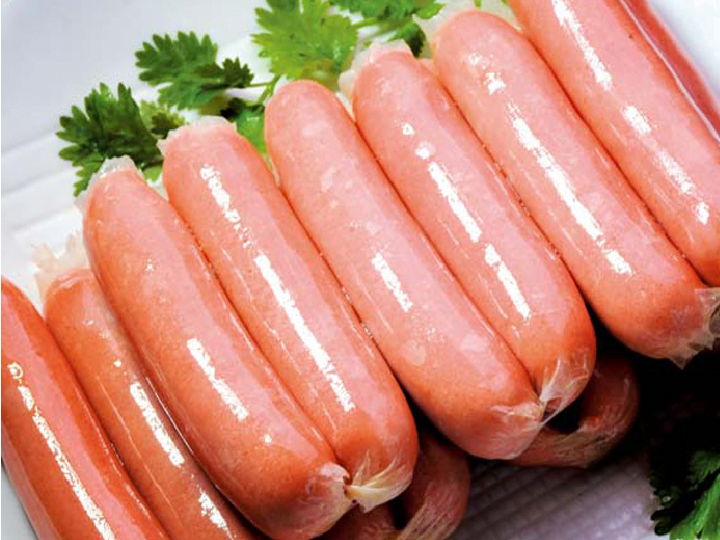
Section 1 : Préparation des matières premières
Start by selecting high-quality meats such as pork, beef, or a combination of both. For the best results, use meat with a fat content of around 20-30% to ensure juicy and flavorful sausages. Ensure that the meat and fat are properly trimmed and cut into smaller pieces (1-2 inch cubes) for easy processing through a machine à hacher la viande. Quality ingredients lay the foundation for a delectable sausage, so invest in fresh, high-quality meat from a reputable source.
Section 2 : Broyage et mélange
Using a hachoir à viande, pass the meat and fat through to achieve the desired texture. For most sausages, a medium grind is recommended, but you can adjust based on personal preference. Once ground, transfer the mixture to a mixing bowl or sausage mixer. Here, combine the ground meat and fat with an array of spices, seasonings, and other desired ingredients. Popular seasonings include salt, pepper, paprika, garlic powder, and fennel seeds. Mix thoroughly for 3-5 minutes to evenly distribute the flavors throughout the sausage mixture and develop the protein structure.
Section 3 : Farcissage
Attach a sausage stuffing tube or nozzle to a machine à farcir les saucisses. Carefully slide a casing, whether natural (made from animal intestines) or artificial (collagen or cellulose), onto the nozzle, leaving a small overhang. Fill the sausage stuffer with the prepared mixture and start pushing it through the nozzle, gradually filling the casing. Maintain consistent pressure to avoid air pockets, ensuring a perfectly stuffed sausage. If you notice air pockets, use a pin to prick them gently.
Section 4 : Liage ou portionnement
Once the casing is filled, it’s time to create individual sausages. Twist and pinch the sausage mixture at regular intervals (usually 4-6 inches apart) along the filled casing to form links. Alternatively, if you prefer uniform portions, consider using a sausage linker for automated and precise linking. For the best results, let the linked sausages rest for 30-60 minutes before cooking to allow the flavors to meld.
Section 5 : Cuisson ou fumage
Choose your preferred cooking method based on the type of sausage you’re making. Options include steaming, boiling, baking, or grilling. Ensure the sausages are cooked to the recommended internal temperature (160°F/71°C for pork and beef sausages) for optimal food safety. To add a smoky flavor, consider smoking the sausages in a smokehouse using wood chips such as hickory, apple, or mesquite. Smoking typically takes 2-4 hours at a temperature of 160-180°F.
Section 6 : Refroidissement et contrôle de qualité
Après la cuisson ou le fumage, laissez refroidir les saucisses à une température sûre (inférieure à 40°F/4°C) dans les 2 heures. Vous pouvez accélérer le processus en utilisant des grilles de refroidissement ou en les plaçant dans un bain de glace. Profitez de cette occasion pour inspecter les saucisses à la recherche d’éventuelles irrégularités, telles que des poches d’air, des cassures ou une décoloration. Retirez toute saucisse défectueuse pour maintenir une qualité optimale. Un refroidissement approprié est crucial pour la sécurité alimentaire et prolonge la durée de conservation de vos saucisses.
Section 7 : Emballage et stockage
Emballez vos saucisses maison en utilisant des matériaux de stockage appropriés tels que des sacs sous vide, des boyaux ou des plateaux. Étiquetez les emballages avec des informations essentielles, y compris le type de saucisse, la date de fabrication et les instructions de stockage. Conservez les saucisses au réfrigérateur à 40°F/4°C ou moins pendant 3 à 4 jours, ou au congélateur à 0°F/-18°C pendant 2 à 3 mois. Pour une conservation plus longue, envisagez la mise sous vide pour éviter le brûlage par le froid.
Conseils professionnels pour des saucisses maison parfaites
- Gardez tout l’équipement et les ingrédients au froid tout au long du processus pour maintenir la sécurité alimentaire et améliorer la texture.
- Expérimentez avec différentes combinaisons d’épices pour créer des profils de saveur uniques
- Utilisez des boyaux naturels pour une texture et une saveur plus authentiques
- Envisagez d’ajouter des ingrédients liquides comme du vin, de la bière ou du bouillon pour plus d’humidité et de saveur.
- Nettoyez soigneusement tout l’équipement après utilisation pour éviter la contamination croisée.
Résumé
Congratulations! You’ve successfully mastered the art of making homemade sausages. By following this step-by-step guide and using quality meat processing equipment, you can create mouthwatering sausages bursting with flavors customized to your liking. Experiment with different ingredients, seasonings, and cooking methods to craft your own signature sausages that will impress family and friends. Whether you’re making breakfast sausages, Italian sausages, or bratwurst, the process remains largely the same. Enjoy the satisfaction of indulging in delicious sausages made with your own hands, and don’t forget to share your creations with others!
For more information on sausage making equipment and supplies, visit our ligne de production de saucisses page to explore professional solutions for both home and commercial use.