
Comment tester si vos œufs sont frais ?
La viande séchée, également connue sous le nom de jerky, est un aliment préservé populaire qui existe depuis des siècles. Elle est obtenue en retirant l’humidité de la viande fraîche par un processus appelé séchage, qui conserve la viande pendant des périodes plus longues sans réfrigération. La production de viande séchée nécessite une attention méticuleuse aux détails et des techniques spécifiques pour assurer à la fois la sécurité et le maintien de la saveur.
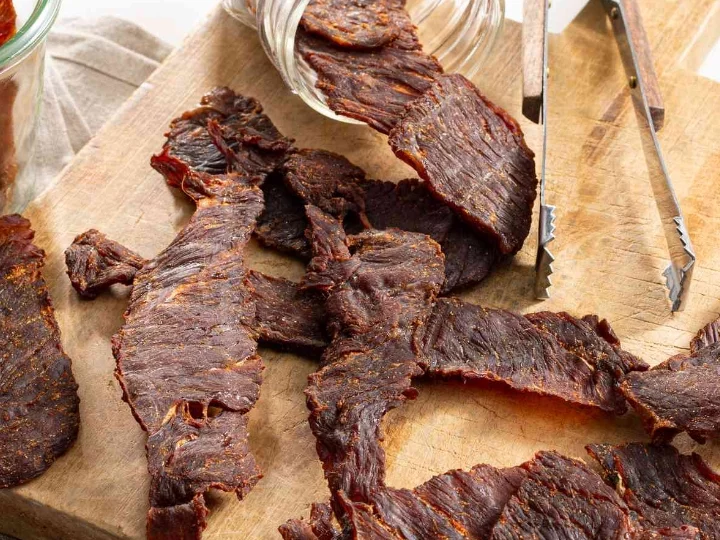
viande séchée maison
Faire de la viande séchée à la maison est une expérience gratifiante qui vous permet de personnaliser la saveur et la texture. Le processus de séchage de la viande implique généralement plusieurs étapes :
sélection de viandes
Choisissez des morceaux de viande maigres, sans excès de graisse ni tissu conjonctif. Les choix courants incluent le bœuf, le gibier ou le blanc de poulet.
Préparation
Coupez la viande en fines lanières ou en cubes, selon la texture désirée. Assaisonnez généreusement avec du sel, des épices et d'autres arômes souhaités.
méthode de séchage
Placez la viande assaisonnée dans un déshydrateur ou un four réglé à basse température (environ 65°C). Surveillez de près pour éviter de brûler et retournez les morceaux de temps en temps pour un séchage uniforme.
finition
Retirez la viande séchée lorsqu'elle atteint la consistance et la texture souhaitées. Conservez dans des contenants hermétiques pour maintenir la fraîcheur.
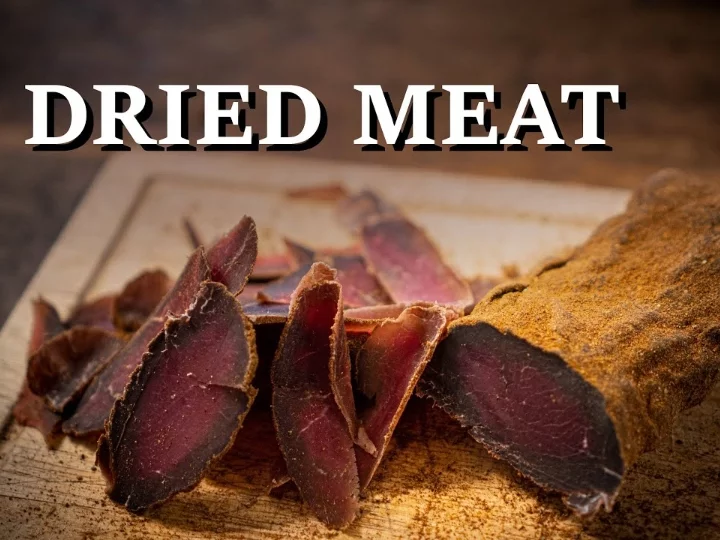
Séchage industriel de la viande avec des machines à sécher la viande
Dans les environnements commerciaux, le séchage de la viande se fait généralement à l’aide de machine de séchage de viandes spécialisées. Ces machines offrent des résultats constants et peuvent traiter des volumes plus importants de manière efficace.
Préparation de la viande
Les processus industriels commencent souvent par de la viande crue qui est découpée en tailles et formes standardisées. La viande est ensuite généralement prétraitée avec des assaisonnements, des épices et des conservateurs.
Processus de séchage
La viande est placée dans la chambre de séchage de la machine, qui est chauffée à des températures spécifiques à l'aide de vapeur ou d'électricité. L'air circule à travers la chambre, éliminant l'humidité de la viande tout en maintenant une distribution de chaleur constante.
Contrôle de la qualité
Le processus de séchage est soigneusement surveillé pour garantir que la viande atteigne le taux d'humidité souhaité sans être trop séchée ou brûlée. Des contrôles de qualité sont effectués tout au long du processus.
Emballage et stockage
Une fois séchée, la viande est emballée dans des contenants hermétiques ou des sacs sous vide pour maintenir la fraîcheur et prévenir la croissance de moisissures.
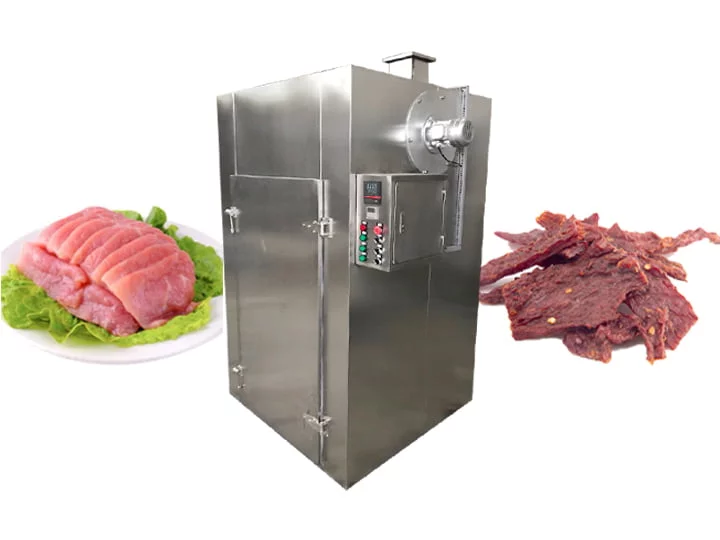
Présentation de Taizy Meat Machinery
Pour ceux qui recherchent des machines de séchage de viande efficaces, Taizy Meat Machinery est un fabricant leader en Chine. Leurs machines de séchage de viande utilisent le principe de circulation d'air chaud, utilisant de la vapeur ou de l'électricité comme source de chaleur. Les machines sont équipées d'un ventilateur qui favorise le transfert de chaleur par convection, garantissant un chauffage uniforme et une élimination efficace de l'humidité.
Avantages des machines Taizy
Ces machines sont connues pour leur haute efficacité thermique, leur conservation d'énergie et leur capacité à produire des résultats cohérents. L'air chaud circulant à l'intérieur de la chambre garantit un séchage uniforme, tandis que le design moderne réduit la consommation d'énergie.
Si vous êtes intéressé par l'achat d'une machine à sécher la viande de Taizy Meat Machinery, vous pouvez les contacter directement pour plus d'informations et des devis. Leur équipe d'experts sera ravie de vous aider à choisir la bonne machine pour vos besoins.
En conclusion, la fabrication de viande séchée est un processus qui nécessite une attention particulière aux détails et le bon équipement. Que vous séchiez de la viande à la maison ou dans un cadre commercial, suivre les étapes correctes et investir dans du matériel de qualité comme les machines à sécher la viande de Taizy Meat Machinery peut garantir un produit final sûr, savoureux et nutritif.