
Come verificare se le uova sono fresche?
Eggs are high in protein and rich in nutrients. The most commonly used food in the cooking process, whether eggs need to be cleaned, is a concern of many people. Unwashed eggs can have many hazards.
Regolamenti locali per le uova
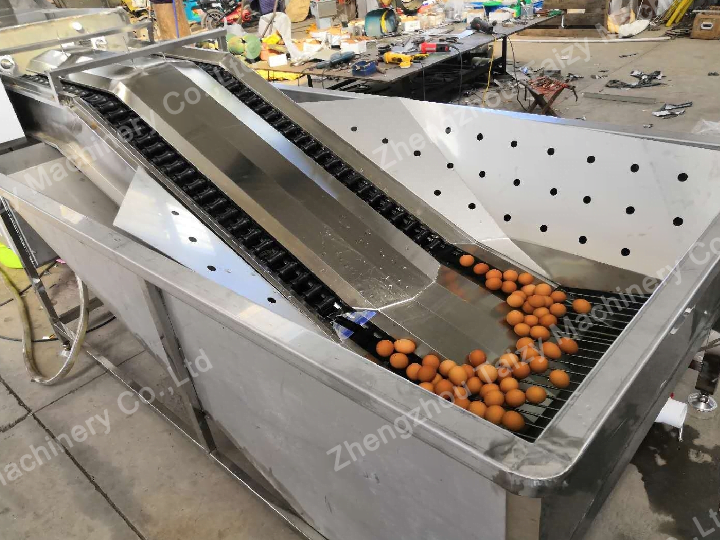
Many countries have clear regulations. The U.S. government stipulates that eggs sold in supermarkets must be washed; eggs are sold under refrigeration to extend the “fresh period” of eggs. This kind of regulation exists in many countries and has become a trend. Therefore, it is necessary to purchase an macchina per il lavaggio delle uova to operate the egg industry, as well as other supporting equipment, egg grader, and egg inkjet printers.
Come testare se un uovo è fresco?
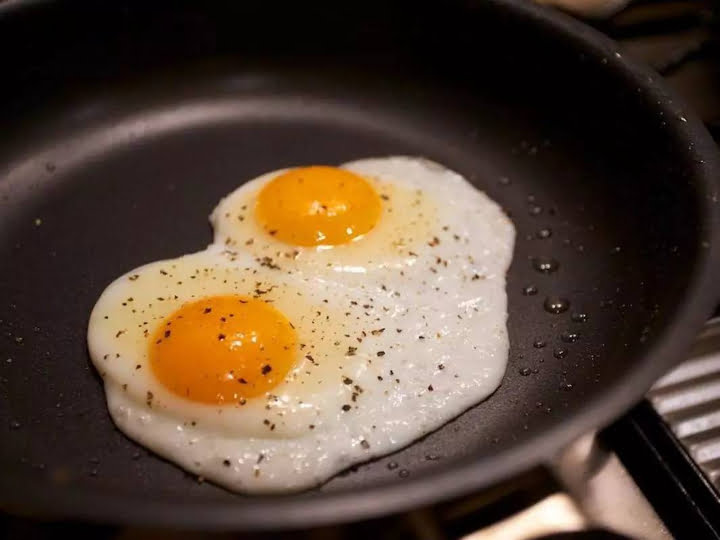
Type one: The bigger the spread and the more irregular the edges, the more stale the egg will be. Normally, there will be a thin film between the egg yolk and the egg white, which is called “yolk film” professionally. As the storage time becomes longer, the elasticity of the egg yolk film will become smaller and smaller, or even rupture.
E il tuorlo si scioglierà insieme. Il risultato più intuitivo è che, quando si rompe un uovo, il tuorlo si sparge immediatamente, senza sentirsi “avvolto”, ed è molto casuale.
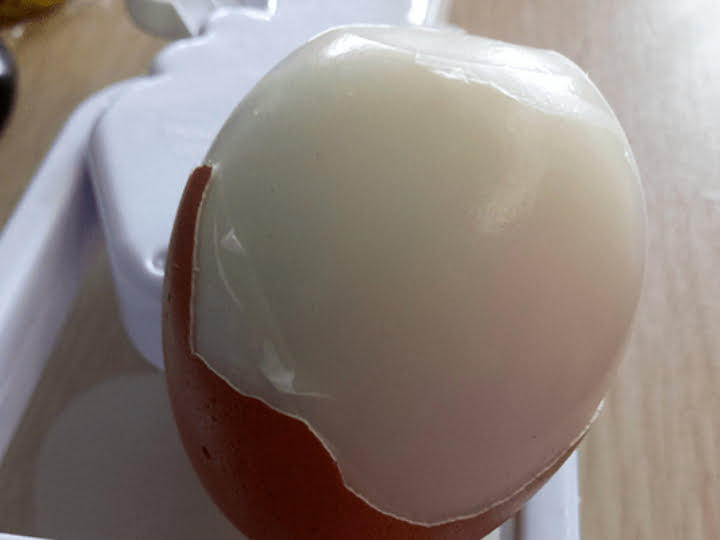
Type two: Look at the size of the air chamber, the larger the air chamber, the less fresh the eggs will be. Where is the air chamber? When peeling eggs, you often see a dent on the side of the big end of the egg, right? That is the “air chamber” of the egg. From the moment the egg is born, its weight begins to change, generally becoming lighter and lighter.
Questo perché ci sono pori nel guscio dell'uovo, che permettono all'umidità di evaporare continuamente, e il peso dell'uovo diminuirà gradualmente. Sì, il pulcino è ancora un uovo respirante dopo aver lasciato il corpo della gallina! Ma più respira, meno acqua ha e meno sarà fresco.
La camera d'aria di un uovo appena deposto non supera i 3 mm. Se la tua camera d'aria è significativamente più grande di questa, la freschezza sarà inferiore. Naturalmente, temperature e umidità di conservazione improprie accelereranno la perdita di peso delle uova.
Come conservare correttamente le uova?
Le uova sono facilmente contaminate da varie sostanze, come possiamo conservarle correttamente affinché siano sicure da mangiare?
1. Non congelare
Il congelamento cambia le proteine, causando la solidificazione del tuorlo e possibilmente la rottura del guscio.
2. Non mescolare
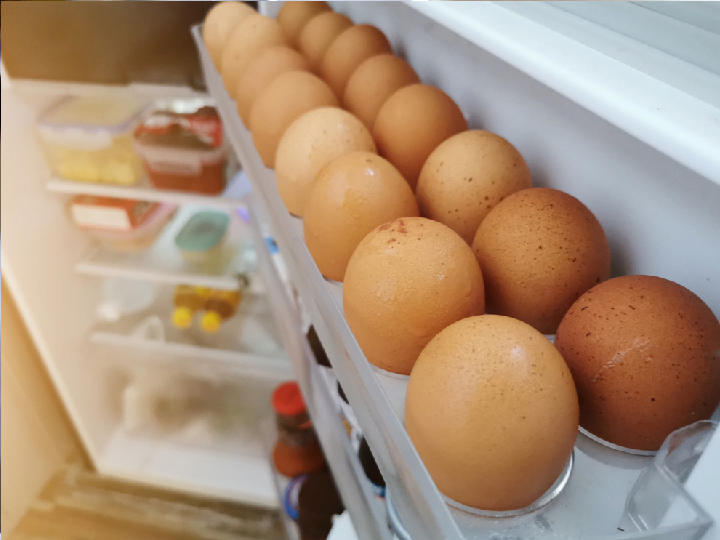
Ci sono molti batteri patogeni e sporco sulla superficie delle uova conservate. Non comprarle e metterle direttamente nel frigorifero, poiché ciò può causare infezioni crociate con altri alimenti.
3. Non metterlo di lato
Quando si mette un uovo, fare attenzione all'estremità grande, cioè quella con la camera d'aria, che può prolungare il tempo di conservazione e prevenire che il tuorlo diventi giallo quando si avvicina al guscio.
Infine, è importante notare che le uova non possono essere conservate indefinitamente. In generale, le uova conservate per 1-2 settimane sono sicure da mangiare, e il massimo non dovrebbe superare 1 mese. Altrimenti, non solo le sostanze nutritive saranno perse in gran parte, ma diventeranno anche “uova cattive”.