
卵が新鮮かどうかをどうやってテストしますか?
Eggs are high in protein and rich in nutrients. The most commonly used food in the cooking process, whether eggs need to be cleaned, is a concern of many people. Unwashed eggs can have many hazards.
地域の卵に関する規制
Many countries have clear regulations. The U.S. government stipulates that eggs sold in supermarkets must be washed; eggs are sold under refrigeration to extend the “fresh period” of eggs. This kind of regulation exists in many countries and has become a trend. Therefore, it is necessary to purchase an 卵洗浄機 to operate the egg industry, as well as other supporting equipment, egg grader, and egg inkjet printers.
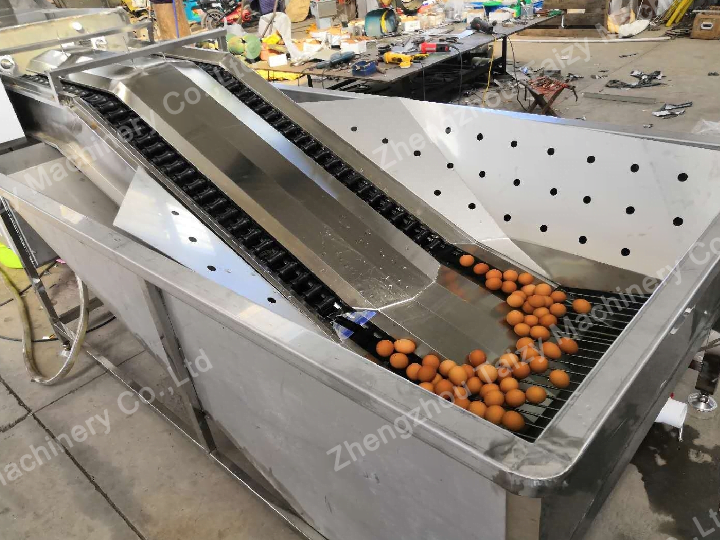
卵が新鮮かどうかをどうやってテストしますか?
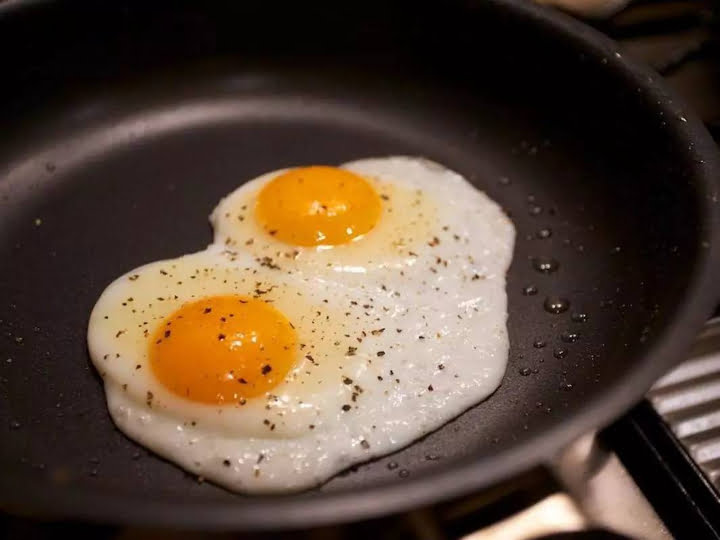
Type one: The bigger the spread and the more irregular the edges, the more stale the egg will be. Normally, there will be a thin film between the egg yolk and the egg white, which is called “yolk film” professionally. As the storage time becomes longer, the elasticity of the egg yolk film will become smaller and smaller, or even rupture.
そして卵黄は一緒に溶けてしまいます。より直感的な結果は、卵を割ったときに黄身がすぐに広がり、「包まれている」感じがなく、とても気軽であることです。
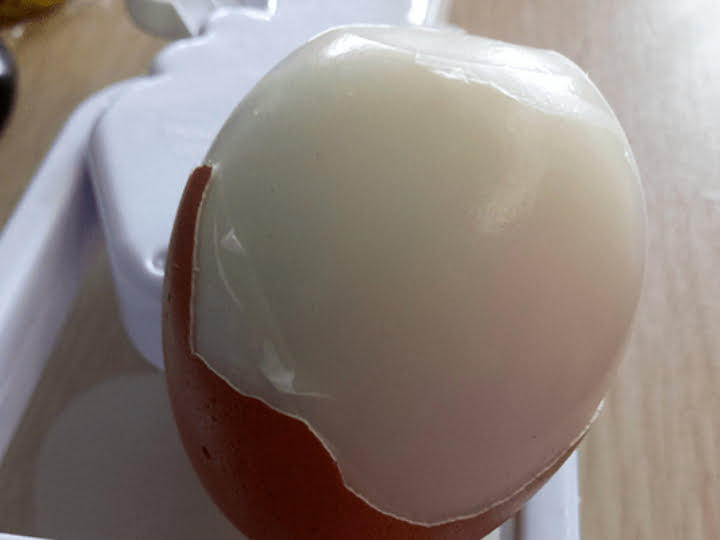
Type two: Look at the size of the air chamber, the larger the air chamber, the less fresh the eggs will be. Where is the air chamber? When peeling eggs, you often see a dent on the side of the big end of the egg, right? That is the “air chamber” of the egg. From the moment the egg is born, its weight begins to change, generally becoming lighter and lighter.
これは卵殻に孔があるためで、これにより卵の中の水分が絶えず蒸発し、卵の重さが徐々に減少します。はい、卵は母鶏の体から離れた後も呼吸を続ける卵です!しかし、呼吸すればするほど水分が少なくなり、新鮮さも失われていきます。
新たに産まれた卵の空気室は3mm以下です。もしあなたの卵の空気室がこれよりかなり大きい場合、鮮度は低くなります。もちろん、不適切な保存温度や湿度も卵の重さの減少を加速させます。
卵を適切に保存するにはどうすればよいですか?
卵はさまざまな物質に容易に汚染されるため、安全に食べられるように適切に保存するにはどうすればよいですか?
1. 冷凍しないでください
冷凍はタンパク質を変化させ、黄身を固めて殻を割れる可能性があります。
2. 混ぜないでください
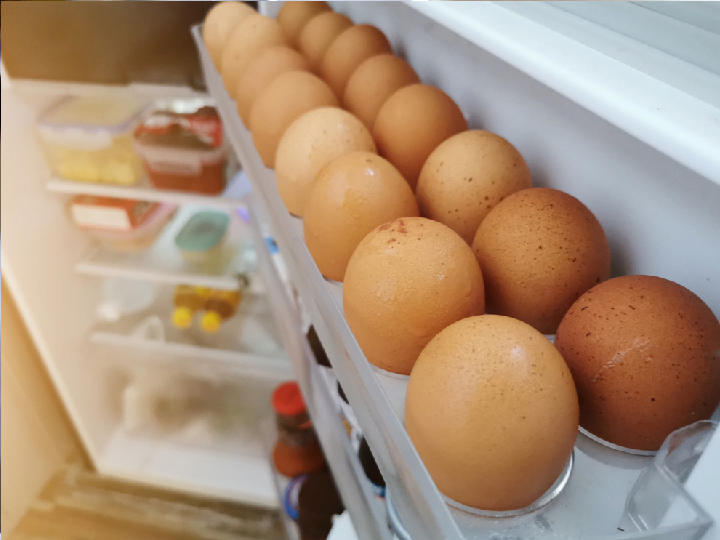
保存された卵の殻には多くの病原菌や汚れが付着しています。これらを購入して冷蔵庫に直接入れるのは避けてください。そうすると他の食品と交差感染を起こす可能性があります。
3. 横に置かないでください
卵を置くときは、大端側、つまり空気室のある端に注意してください。これにより保存期間が延び、卵殻に近いときに黄身が黄色くなるのを防ぐことができます。
最後に、卵は無期限に保存できるわけではないことに注意することが重要です。一般的に、1〜2週間保存した卵は問題なく食べられますが、最長でも1ヶ月を超えないようにしてください。さもなければ、栄養素が大量に失われるだけでなく、「腐った卵」になってしまいます。