
Working Principle of Fish Slaughtering and Descaling Machine
Dried meat, also known as jerky, is a popular preserved food item that has been around for centuries. It is made by removing moisture from fresh meat through a process called drying, which preserves the meat for longer periods without refrigeration. The production of dried meat requires careful attention to detail and specific techniques to ensure both safety and flavor retention.
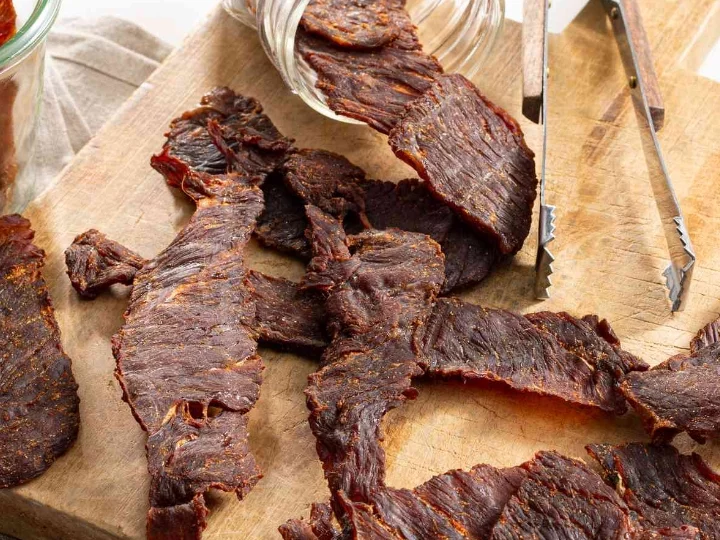
Homemade Dried Meat
Making dried meat at home is a rewarding experience that allows you to customize the flavor and texture. The drying meat process typically involves several steps:
Selection of Meat
Choose lean cuts of meat that are free from excess fat and connective tissue. Common choices include beef, venison, or chicken breast.
Preparation
Slice the meat into thin strips or cubes, depending on the desired texture. Season generously with salt, spices, and any other desired flavorings.
Drying Method
Place the seasoned meat in a dehydrator or oven set to a low temperature (around 150°F). Monitor closely to prevent burning and turn the pieces occasionally for even drying.
Finishing
Remove the dried meat when it reaches the desired consistency and texture. Store in airtight containers to maintain freshness.
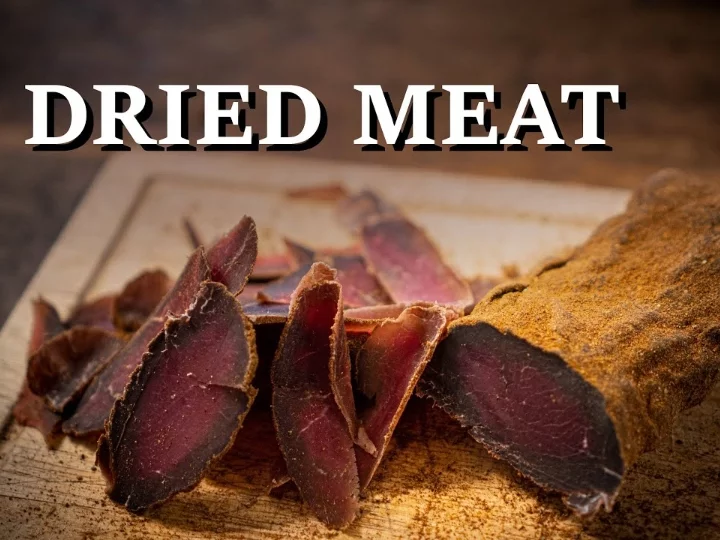
Industrial Meat Drying with Meat Drying Machines
In commercial settings, meat drying is typically done using specialized meat drying machines. These machines offer consistent results and can handle larger volumes efficiently.
Meat Preparation
Industrial processes often start with raw meat that is cut into standardized sizes and shapes. The meat is then typically pretreated with seasonings, spices, and preservatives.
Drying Process
The meat is placed in the drying chamber of the machine, which is heated to specific temperatures using steam or electricity. Air is circulated through the chamber, removing moisture from the meat while maintaining consistent heat distribution.
Quality Control
The drying process is carefully monitored to ensure the meat reaches the desired moisture content without over-drying or burning. Quality checks are performed throughout the process.
Packaging and Storage
Once dried, the meat is packaged in airtight containers or vacuum-sealed bags to maintain freshness and prevent mold growth.
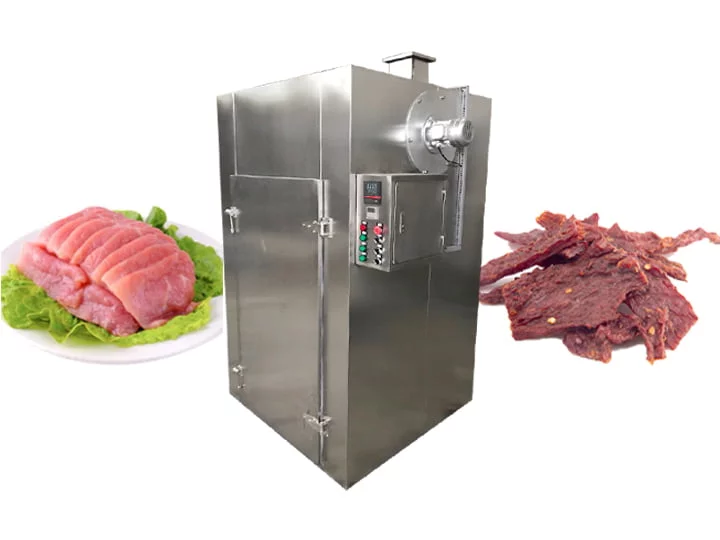
Introducing Taizy Meat Machinery
For those looking for efficient meat drying machines, Taizy Meat Machinery is a leading manufacturer in China. Their meat drying machines utilize the principle of hot air circulation, using steam or electricity as the heat source. The machines feature a fan that promotes convection heat transfer, ensuring uniform heating and efficient moisture removal.
Advantages of Taizy Machines
These machines are known for their high thermal efficiency, energy conservation, and ability to produce consistent results. The circulating hot air within the chamber ensures uniform drying, while the modern design reduces energy consumption.
If you’re interested in purchasing a meat drying machine from Taizy Meat Machinery, you can contact them directly for more information and quotes. Their team of experts will be happy to assist you in selecting the right machine for your needs.
In conclusion, making dried meat is a process that requires attention to detail and the right equipment. Whether you’re drying meat at home or in a commercial setting, following the correct steps and investing in quality equipment like the meat drying machines from Taizy Meat Machinery can ensure a safe, flavorful, and nutritious final product.